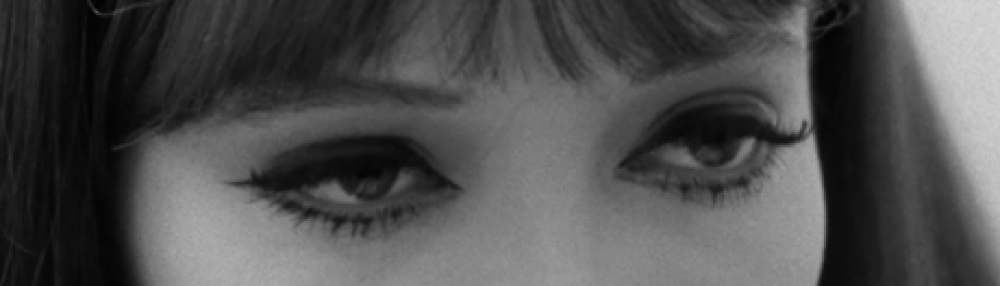
Joan Fontaine is a Classical Hollywood performer I’ve had some affinity for. I got to watch three of her featured films that I hadn’t seen before, including two from the 1940s with a tinge of noir.
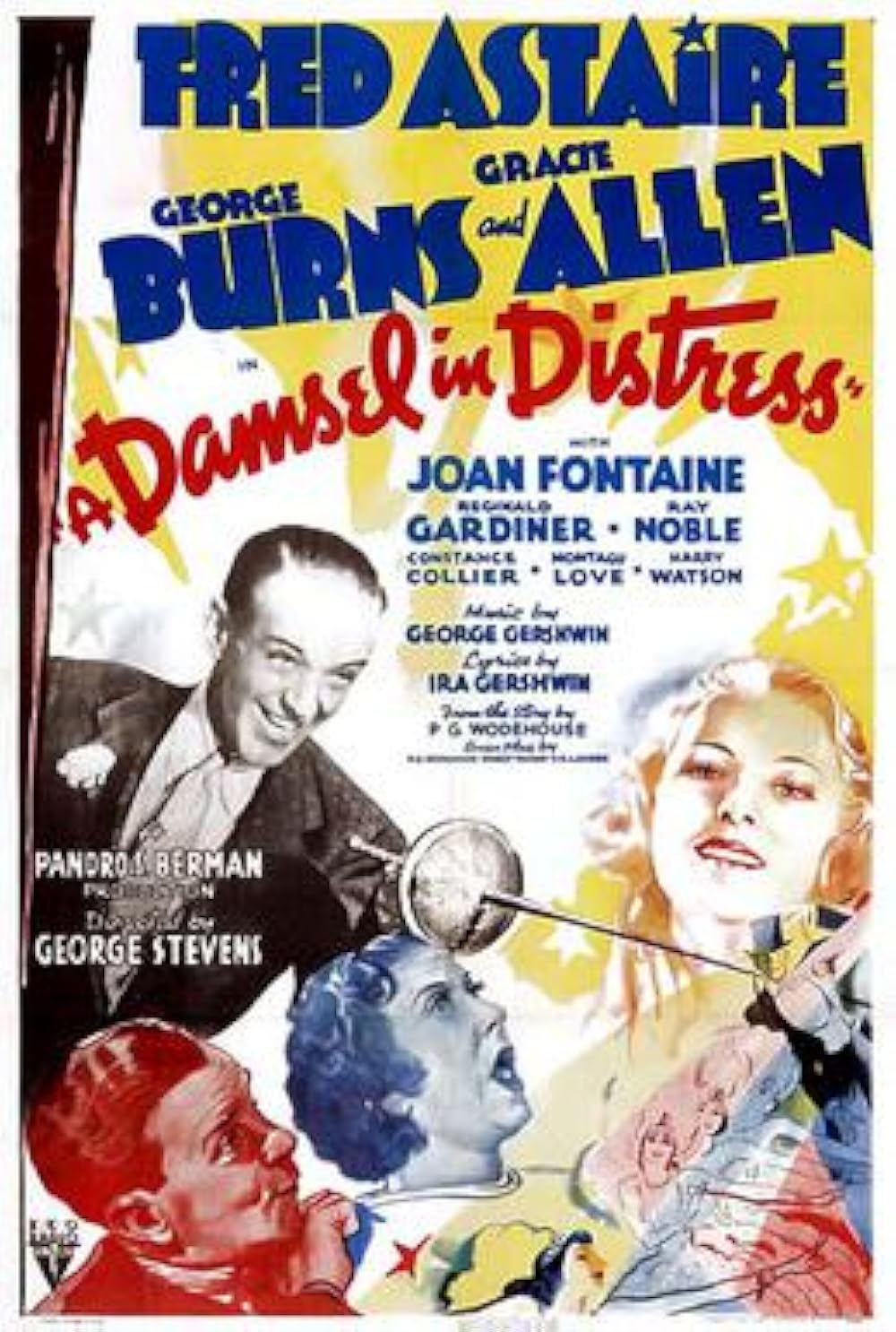
A Damsel in Distress (1937)
George Stevens had worked with Fred Astaire and Ginger Rogers in arguably their greatest dance vehicle the year prior in Swing Time. Then, in 1939, he cast Joan Fontaine in a small role in the actioner Gunga Din.
In the intervening years, he helmed A Damsel in Distress with Astaire and Fontaine. One compliment is that the picture doesn’t try to follow a formula. It can’t hope to copy an Astaire and Rogers picture without the latter anyway. Still, it does feel a bit scattered at times as we get our bearings with any number of scene partners.
We watch backroom staff at some estate, including Reginald Gardiner and young Harry Watson (of the Watson family), picking names out of a hat. They’re betting on who the eligible Lady Alyce Marshmorton (Fontaine) will eventually marry.
Before they ever were stalwarts on the small screen, we also get supporting roles for Gracie and George Burns working their patented routine a generation earlier. Then, in an adjoining scene, Astaire winds up in a meet-cute with Fontaine, only to get into it with the snooty staffer Keggs (Gardiner) and a passing bobby.
There’s not much to the will-they-won’t-they plotting, leading Astaire and Fontaine through devotion and repugnance in quick succession. Still, the movie has the names George and Ira Gershwin in the credits, and even if I don’t always enjoy Burns and Allen, there is a certain fun watching them hoof with Astaire. The best bits photograph carnival funhouse rides and goofy mirrors with a playful acuity. It feels like a childlike delight.
Then, the apex of the whole picture might be the American Standard “A Foggy Day,” which is far better than the story around it seems to deserve. Ironically, what makes the song such a classic beyond its meditations on love is brought on by the very British metaphor at its center.
There needn’t be much talk about the romance at the center, and although I consider myself an admirer of both Astaire and Fontaine, it almost feels like they were not able to utilize the extent of their talents together. Oh well. It was early yet, and both had many more plentiful opportunities ahead, George Stevens not least among them.
3/5 Stars
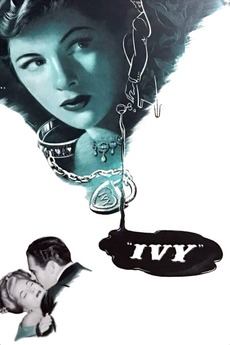
Ivy (1947)
Ivy so perfectly encapsulates Joan Fontaine’s incandescent beauty and airy regality in a period package. Against an Edwardian backdrop, we meet a young woman taken with the excesses of an affluent life often beyond her means.
Fontaine made a name for herself playing mostly timorous, doe-eyed ingenues, but it was with pictures such as Ivy and Born to Be Bad where she stealthily began to upend expectations about her image. She proves herself to be more than up to the title of a period femme fatale, manipulating every angle between the triad of men in her life.
Her youthful husband, Jervis, though ineffectual, is equally enamoured with a high life, making little fuss over his beautiful wife’s dalliances. It’s all good fun. There’s the more formidable Dr. Roger Gretorex (Patric Knowles), who is madly in love with her, but must keep his affection couched in friendship. This arrangement no doubt has gone on for some time, until she meets a dashing gentleman adventurer, Miles Rushworth (Herbert Marshall), who catches her eye as a shiny new companion.
It’s a scandalous set-up, and we watch Ivy as she works the scenario to wriggle herself free of a husband and a beau she’s grown tired of. The way Fontaine plays it has some premeditated devilishness, but also this tinge of flustered lovesickness. Something just comes over her.
In a consequential moment, she sees some poison, and there’s a man to blame. When the police get involved, a tryst and murder come under more scrutiny. The height might be watching her put on a tearful performance from her bed before leaping up and locking the door once she’s alone. She also ensures all the remnants of her crimes are soundly disposed of. Almost…
Like all the great vamps from whatever era, we are privy to her total dissolution, and after watching this movie, it’s hard not to think of Fontaine differently for all posterity until you see Born to Be Bad, of course.
3.5/5 Stars
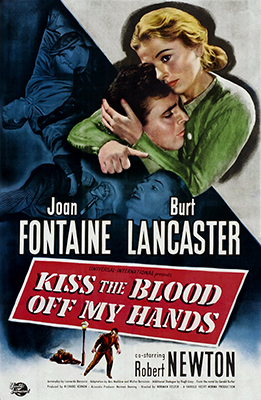
Kiss The Blood Off My Hands (1948)
Cinematographer Russell Metty was called upon to shoot both Ivy and Kiss The Blood Off My Hands. The movie features a wonderfully claustrophobic opening set piece with Burt Lancaster streaking through the darkened back alleyways of London like a wild beast, showcasing his acrobatic athleticism. Never mind how he got there. He ends up in a darkened flat seeking refuge from the police with a woman cowering in the corner. A local nurse named Jane Wharton (Joan Fontaine).
The evocative title brings up images of atonement, where sin and wrongdoing cry out for blood to be spilled. However, over the course of the picture, it also builds into a kind of shared empathy between our two protagonists. Because they shift from captor and hostage to something else very quickly. They only have about 1 hour and 20 minutes.
It turns out the animal imagery is apt for Lancaster’s character. There would be no movie if they totally parted company. But he wants to see her again, and they walk through a zoo. At first, it’s agreeable, but seeing the caged animals brings something to the surface. He was a POW in Germany. A man in a cage.
Like many movies — Cat People, The Cremator, or even Bresson’s A Gentle Woman all spring to mind — we witness similar iconography. It’s as if these caged beasts cry out to something inside Bill Saunders as well.
It’s not typical, but I’m taken with the pairing of these two performers from the outset. Lancaster is brusque and confrontational, perhaps even more than usual. Whether he is a Canadian or an American actor, there is a sense he is a stranger in post-war Britain, even if it is shot on a Hollywood backlot.
Meanwhile, Fontaine is reticent, though with a meek resolve. He is not the only one who has been through the war and weathered loss. She doesn’t wilt in his presence, and it speaks to who she is.
We see this animalistic brutality within the picture and within Lancaster, but also within the justice system. There is this quaking violence within him mirroring a justice that is swift and sure.
Smarmy Robert Newton hangs around the edges of the frame, his interest piqued by a restless man who might be able to help him in a business proposition. Given his precarious station, Saunders is a target for blackmail.
As her love blooms for this battered, lost soul, Jane tries to reel him back in by putting him in touch with humanity so he might be in the service of others at the local hospital. It’s an honest life and something he’s content with.
It’s perfectly distilled when they pay a house call to an obstinate father who doesn’t want any help or medicine for his sickly daughter. Bill could blow up, and in the moment, the camera hones in on Lancaster’s face as well as Fontaine’s. A scenario that could go very badly resolves itself peacefully.
The most noirish thing about the picture is how Newton always turns back up to nag Saunders like a monkey on his back. For everything Fontaine represents as a benevolent lifeline, it’s almost as if Newton embodies the noose tied around his neck again and again. The question remains whether he can cut the rope and escape with his love. What we’re given in such a short order is a genuinely pleasant surprise. Under the circumstances, the movie utilizes the talents of its stars quite well.
3.5/5 Stars

