
 The film is adapted from the novel of British author Kazuo Ishiguro, who also penned The Remains of the Day. Having not read the source material, I was obliged to take this material on its own merit and so here it goes. This is a numbing, wistful, sorrowful film and the dystopia is set in England circa 1978 in a boarding school. That’s where we first meet the students at Hailsham, who are special individuals with an important purpose in society. They will grow up to be “Carers” and “Donors” in society so that others might be given life. Although it’s an important role it ultimately means a shorter life expectancy compared to normal individuals and they are completely isolated from the outside world until their adult years.
The main people of interest are Kathy, who quickly befriends Tommy, a boy who is often made fun of, and she is secretly smitten. But as time passes one of her closest companions Ruth steals him away from her despite constantly making fun of him initially. Now as they get ready to move onto the next stage of their lives at The Cottage, Kathy (Carey Mulligan) is noticeably still hurt that Tommy (Andrew Garfield) is with Ruth (Keira Knightley) and not her. That plagues her and tears her apart inside. You can see it in her eyes and body language, although she never says it explicitly. It’s there.
I must admit, not having read the novel, I have a feeling I did not grasp all the ins and outs of this world, but I did understand what this love triangle meant for those involved. Also, in the back of their minds, they know life as they know it will be ending soon enough. After years pass Kathy is now a “Carer” and is reconnected with both her old friends, who look a lot more gaunt than they ever did before. Ruth admits she should never have come between the other two and they do get together, but it seems far too late for another love story.
 Never Let Me Go speaks to the transience of life, the limited time we have on this earth because in the case of these characters life is even shorter. It got to me with its melancholy and I don’t mean that it simply saddened my mood, but by the denouement, I felt deeply affected. Keira Knightley’s role seemed rather unextraordinary although necessary. The real interest for me was watching the relationship form between Carey Mulligan and Andrew Garfield before being quickly taken away. Then hearing the narration of Mulligan as she tries to make sense of this story and what has happened. On a lighter note, the hairstyles in the film are quite impressive with the bangs and whatever Garfield has going on there near the beginning.
3.5/5 Stars

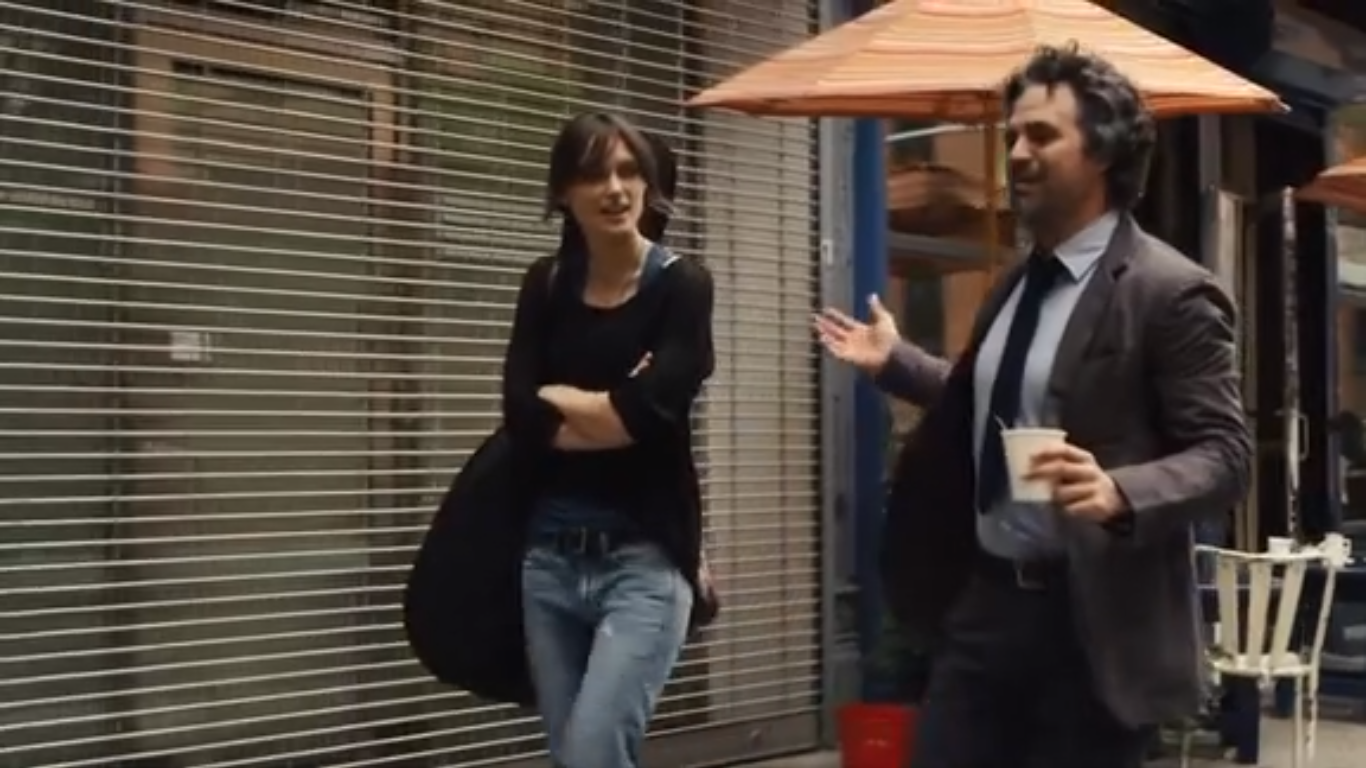
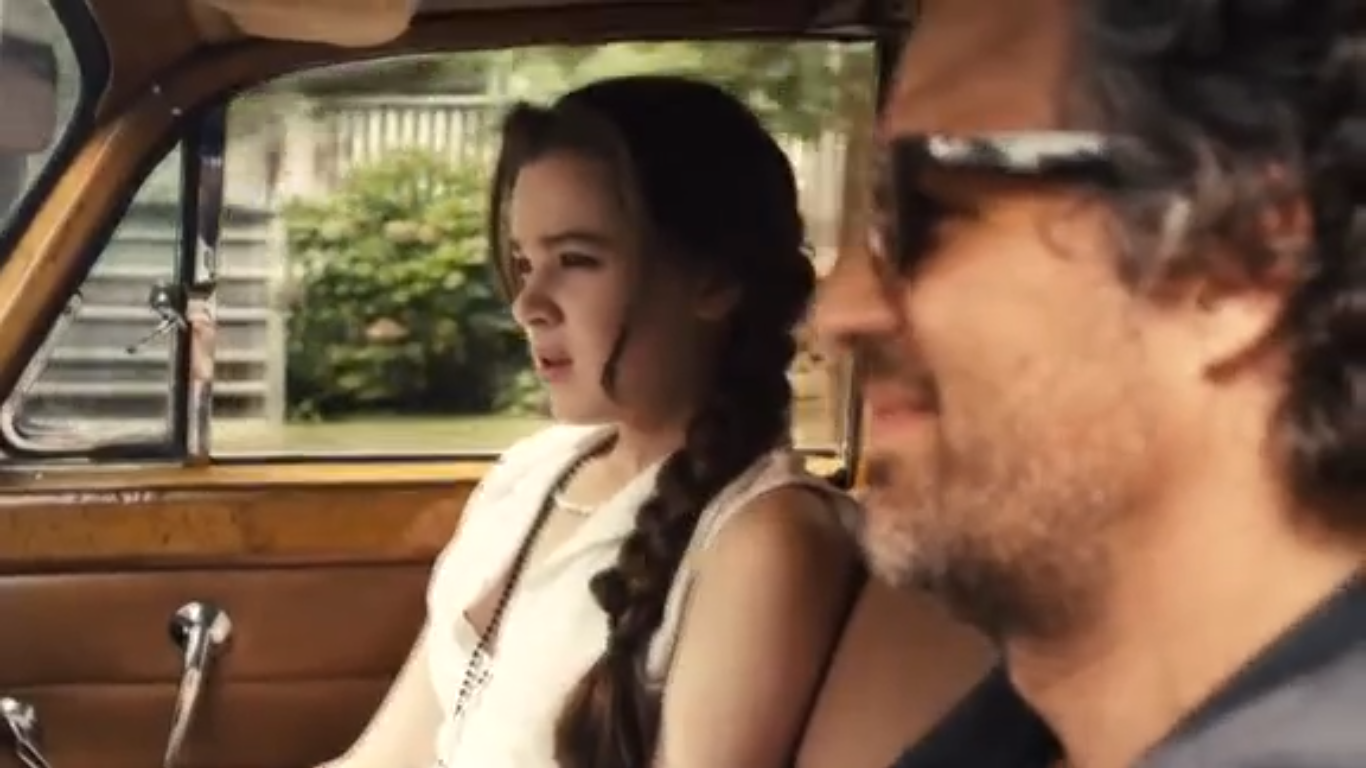
 “It’s the Goonies and Citizen Kane. They don’t distinguish between high and low.” ~ Ben Stiller as Jamie
 My Dinner with Andre was a film that was interesting in conception and not quite as engaging in practice — at least for me. The End of the Tour is another such conversation-driven story with a similar promise, but by some miracle, it really seems to pay off.
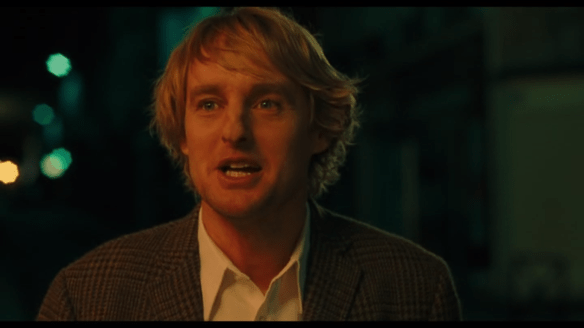 Midnight in Paris begins with scene after scene of the Parisian landscape. It gives off the feel of a lazy vacation, strolls in the park, sidewalk cafes aplenty, and even romantically rainy afternoons. For those who have never been to Paris, it makes you fall in love with the city in only a matter of minutes. Gil Pender (Owen Wilson) is such a person who would easily be content with the Left Banke, Baguettes, and a chance to write his latest novel. There is an air of wonderment that pervades his very being. He’s often naive and unassuming — hardly someone you would peg for a big Hollywood success story.
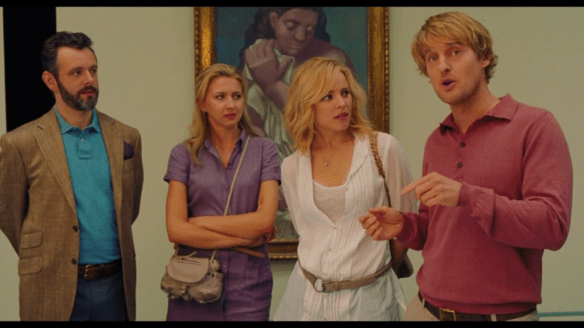 For obvious reasons, Gil cannot stand spending time with his wife’s friends. Instead, those breezy, absent-minded walks down the lanes are more his taste. Inez can’t begin to understand why he does it, but one night he’s in for a big surprise. One minute he’s out for a stroll and then the clock chimes twelve. All of the sudden something a la Cinderella happens. A coach pulls up, Gil tentatively gets in not knowing what he has just stumbled upon, incognizant of the adventure ahead of him.
 The linchpin of the whole story is really the ravishing French beauty Adrianna (Marion Cotillard), the muse of Picasso, the desire of Hemingway, and a newfound friend of Gil. He cannot help but be enraptured by her grace and the time they spend together is wonderful, that is until he tells her that he is pledged to be married. Although, it looks like he and Inez will not be together much longer as they continue to drift further and further apart.
 Anyone who is at least a little bit familiar with ring theory knows that the Star Wars saga has often folded back on itself, with near-mirror images, similar plot devices, and obvious parallelism. It gives any fan a new found appreciation for the films, and with that mentality, The Force Awakens can be thoroughly appreciated.


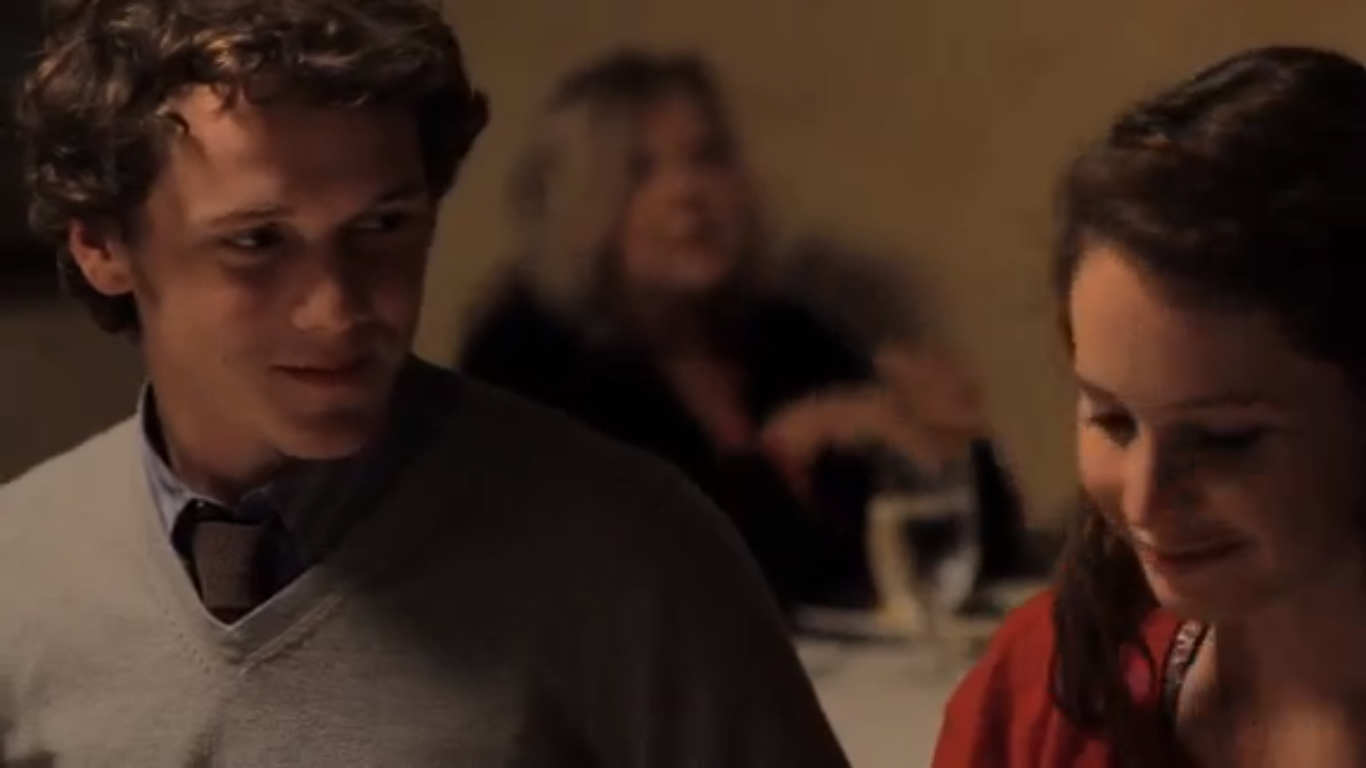
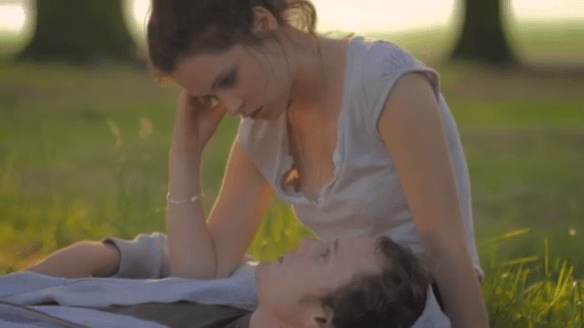 Crazy generally stays away from the constricting effects and inflexibility of your typical plot line. The script was more of an outline and the dialogue was essentially the two leads ad-libbing most of their interactions. But this lends an organic quality to this, dare I say, trendy indie love story. There’s vast distance juxtaposed with intimate close-ups. Emotions embodied by images become paramount over words. In a sense, we see their nakedness and not literally, but we see that vulnerability in those most intimate times in a relationship, sharing bits of bliss together. Whether they are in Santa Monica or London, the scenery is only a place in which the two of them are having moments. The type of times they remember in the shower or while they sit in the bar with their friends, or when they sit doodling at their desk. It’s those times that make them want to make this thing work despite the distance. It’s a difficult trade-off and I’m doubtful anyone has found the precise answer for it. Because all the countless advances in technology cannot give us intimacy only imperfect substitutes that will never fully replace the real thing.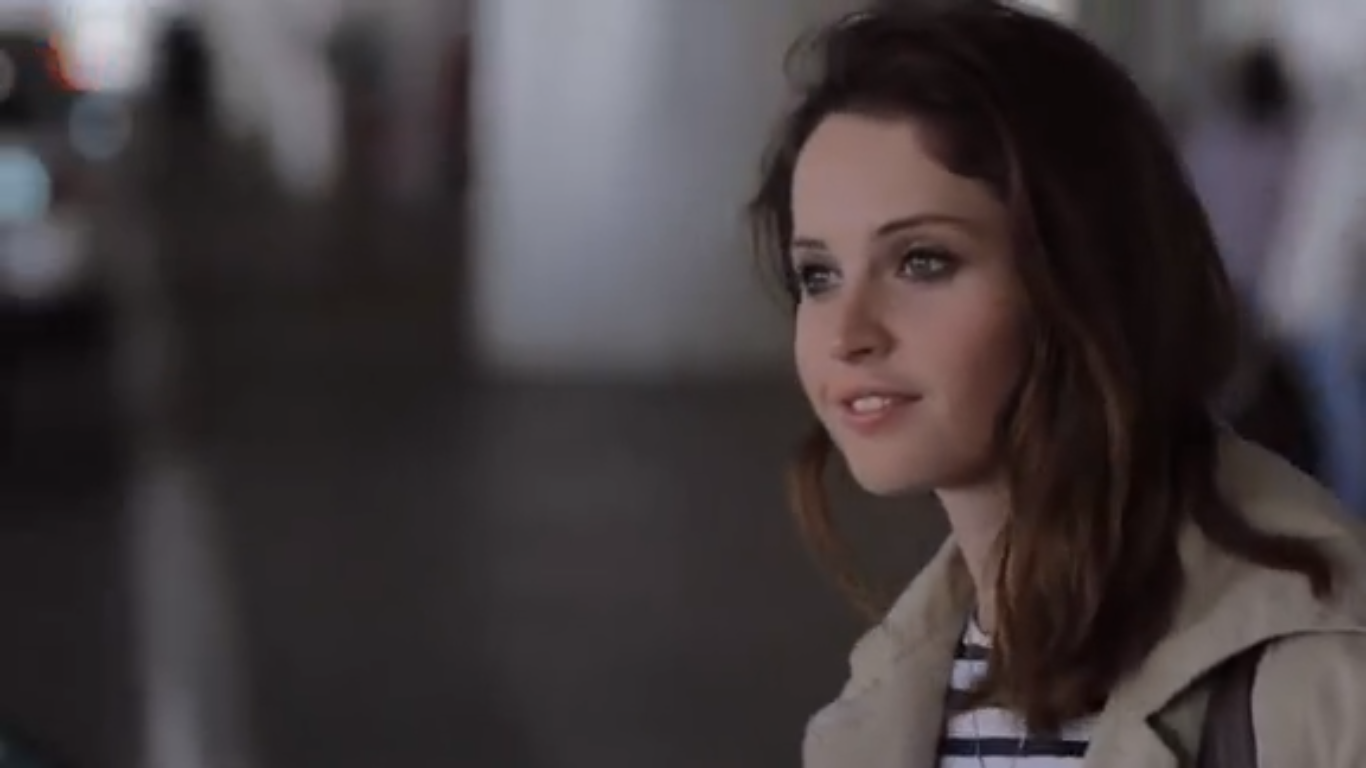
 4 Star Films