
 There are few films where art and film more obviously intersect than Museum Hours. In fact, its director and general mastermind Jem Cohen blends the line between filmmaker and multimedia artist. His generally deliberate piece on Kunsthistorisches Museum of Art follows two figures in the vibrantly beautiful city of Vienna, Austria
Johann (Bobby Sommer) is a museum guard with a reassuring face full of kindness and good humor. He spends his days in the museum, a place where he finds tremendous tranquility and great contentment in the vast intricacies of the beauty around him. For others, this would be wearisome work. From his perspective, it’s an immense joy. His eyes are constantly taking in the world around him, bright and full of awe. Always ready to help.
In one such occasion, his gaze happens upon Anne (Mary Margaret O’Hara), an obviously frazzled traveler, lost in a world that is foreign to her. In truth, she came to Austria after receiving news of the deteriorating health of a distant relative. Johann willingly gives her directions to the hospital and soon enough the museum becomes her little oasis too.
So if the film did have a plot that would be it. Two people finding a connection in a great big city. And yet this film is hardly Coppola’s Lost in Translation. The arrival of Anne in Austria is seemingly only a pretense for the audience to spectate. In some ways, it’s quite reminiscent of the contemplative nature of Christ Marker’s Sans Soleil, at times blended with the naturalistic visuals of Malick’s Tree of Life. It operates as part film, part documentary, with voice-over often playing over images. Everyday scenes mixed with works of art, and ultimately leading to a greater appreciation of both.
Often the camera is stationary and as such it watches the world of Austria rather like the patrons who wander through the halls of the museum surveying the most mundane things with a degree of awe, peering at the beauty that lies there within. We can use the same critical eye we use to look at art for life. Not to find fault but on the contrary, to develop a greater appreciation for all that is around us.
The likes of Cranach, Rembrandt, and especially Bruegel bring to light the beauty that can be found in our world, even in the smallest of instances. Different people take it different ways. A tour guide will become didactic, patrons in a tour group will try to come up with all the answers, and kids are content sitting in a corner to stare at their phones as the world passes them by. But Johann has the right idea. It really is rather a child-like perspective, in the sense that each day brings new excitement and he garners great joy out of the little things.
Obviously, I’m a bit biased as someone who likes paintings and art history, but Museum Hours is a powerful film that truly elicits a greater appreciation for art, but more importantly life itself. Really, there’s no need for a score, because that would almost detract from the pensive nature of Cohen’s work. It’s about the juxtaposition of visuals. That’s where it gets its power.
4/5 Stars

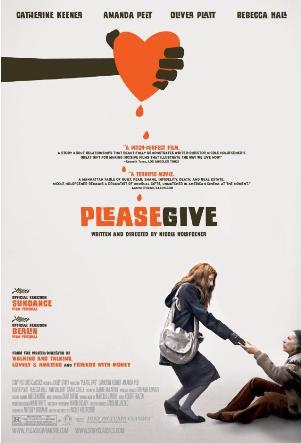


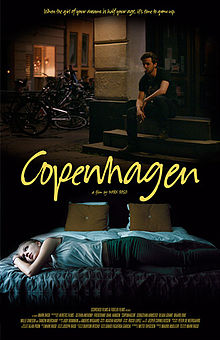
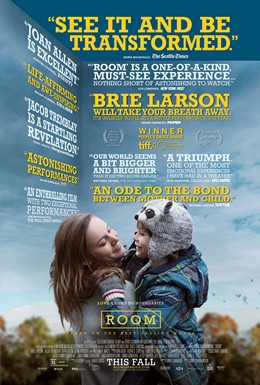 Brie Larson has been on my radar for a while, ever since The Spectacular Now and Short Term 12. But she’s also a personal favorite who deserves to be in the company of other such shooting stars as Jennifer Lawrence, Shailene Woodley, Miles Teller, and Michael B. Jordan just to name a few.


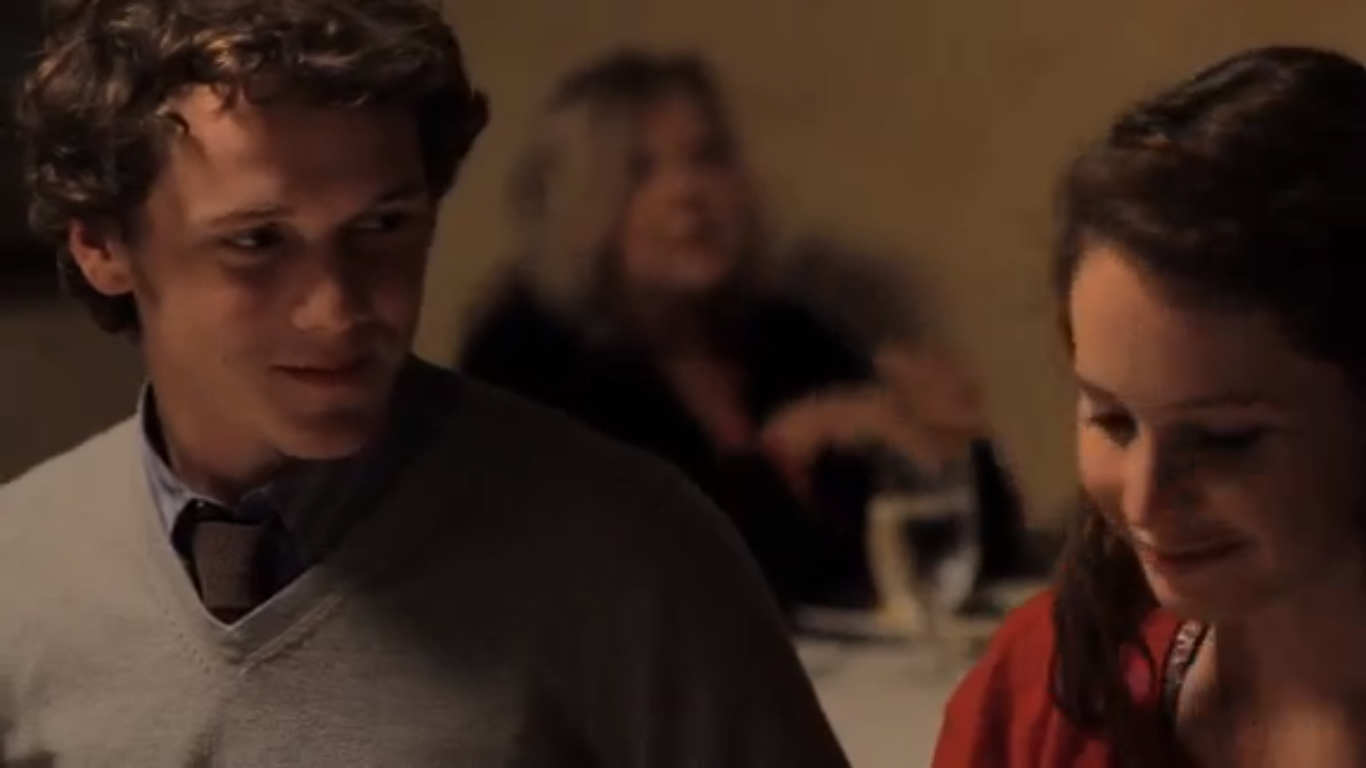
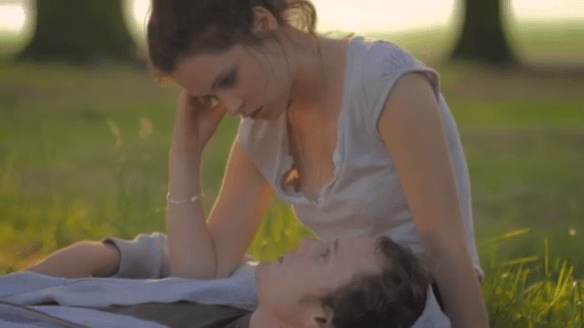 Crazy generally stays away from the constricting effects and inflexibility of your typical plot line. The script was more of an outline and the dialogue was essentially the two leads ad-libbing most of their interactions. But this lends an organic quality to this, dare I say, trendy indie love story. There’s vast distance juxtaposed with intimate close-ups. Emotions embodied by images become paramount over words. In a sense, we see their nakedness and not literally, but we see that vulnerability in those most intimate times in a relationship, sharing bits of bliss together. Whether they are in Santa Monica or London, the scenery is only a place in which the two of them are having moments. The type of times they remember in the shower or while they sit in the bar with their friends, or when they sit doodling at their desk. It’s those times that make them want to make this thing work despite the distance. It’s a difficult trade-off and I’m doubtful anyone has found the precise answer for it. Because all the countless advances in technology cannot give us intimacy only imperfect substitutes that will never fully replace the real thing.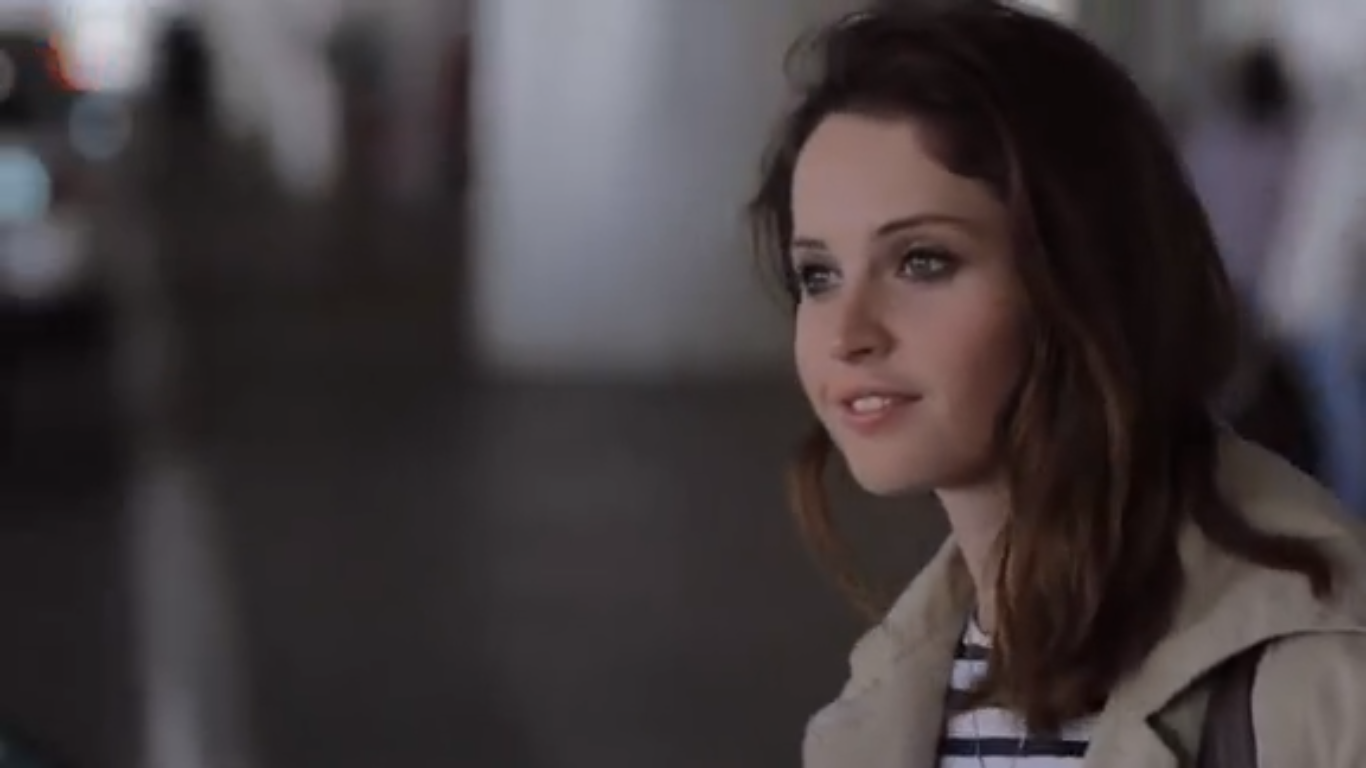
 4 Star Films