Alias Nick Beal (1949): Ray Milland’s a Devil

Alias_nick_beal (1)

This is my entry in the CMBA Politics on Film Blogathon.

Alias Nick Beal handily flips the paradigm of cinematic angels in vogue with Hollywood, specifically during the 1940s. You could make a whole subgenre out of them. As its name suggests, the lynchpin character of the entire movie is Nick, though this is admittedly only a pseudonym. Across time and space, he’s come in many forms, under many names, including the serpent, Lucifer, or the Devil.

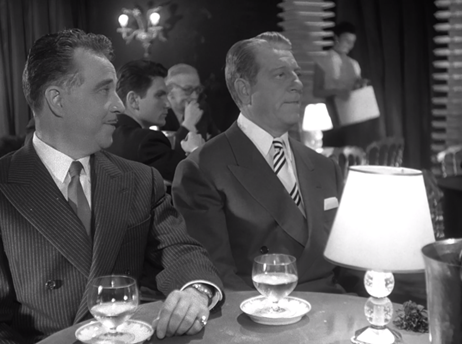
Ray Milland portrays him in bodily form, providing a deliciously evil turn in fine threads. He’s not quite the “blonde Satan” out of Dashiell Hammett’s Sam Spade literature, but he’s almost there, about as close as you might possibly come in the flesh. With such a devious figure pulling the strings, Alias Nick Beal becomes noir mixed with myth and allusion in a rather unusual manner. It is the first of its kind: a Faustian noir.

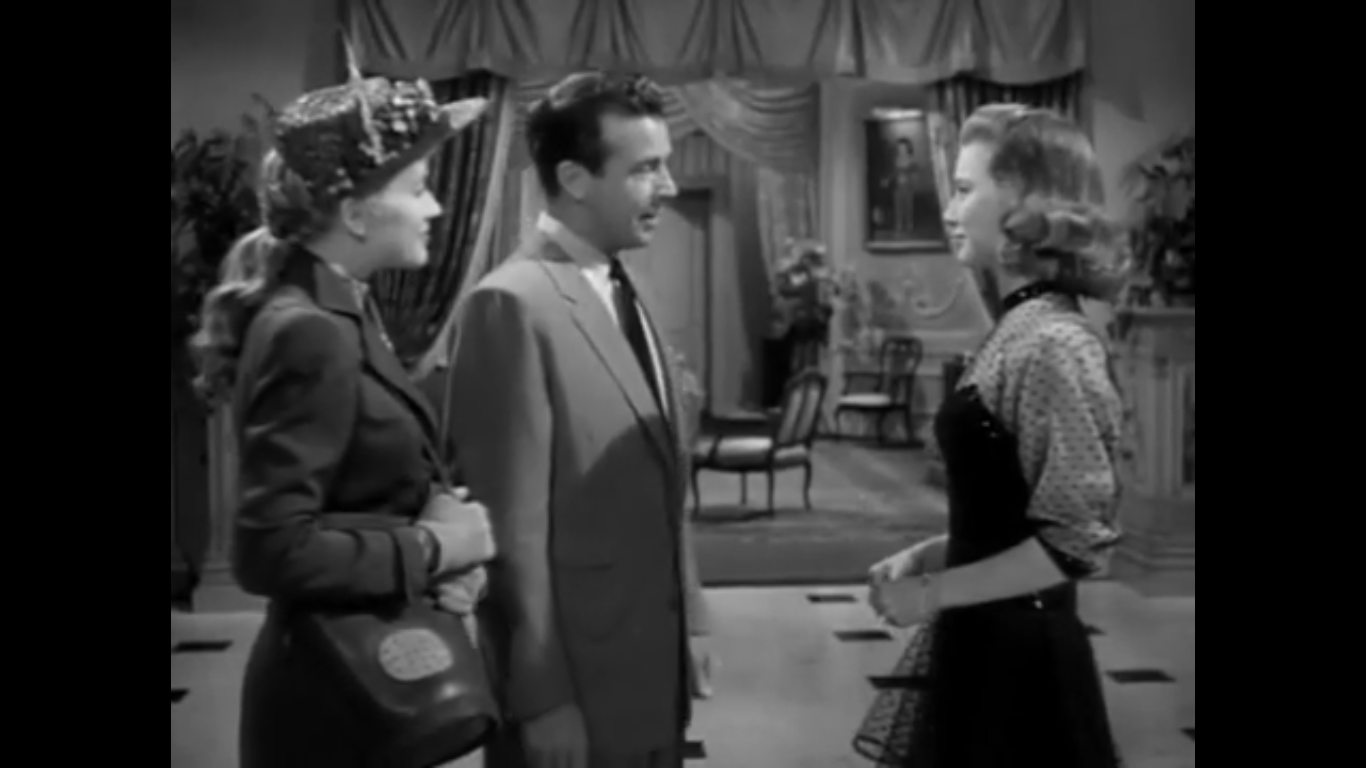
The story itself opens in more conventional territory. There’s an earnest, hard-working district attorney named Foster (Thomas Mitchell) who is looking to clean up local corruption, manifested as always by cigar-chomping Fred Clark with his host of slot machines and bookies just looking to rake in the dough.

Try as he might, he’s never been able to deal the definitive blow to the town’s graft. Regardless, he’s an upstanding man of principle with a devoted wife (Geraldine Wall) of many years and a solid base of friends, including local minister Reverend Garfield (George Macready). Of course, even someone like him falls to temptations; they seem innocent at first even honorable. The trajectory of his entire political career starts to change for the better, although his personal relationships are poisoned beyond repair. More on that later.

For now, he has an inauspicious meeting at the local watering hole, the dubious China Coast Cafe. It’s the kind of joint that can only exist in the foggy back lots of some Hollywood studio (in this case Paramount Pictures).

It’s the cheap, low-lit atmospherics of such an obviously stylistic or phony facade that make Alias Nick Beal feel like low-grade entertainment. With noir, however, this often proves more of a blessing, and what’s more remarkable is how impressive the cast manages to be. The cafe also happens to be a fitting place to meet the devil’s incarnate.

No, Foster doesn’t go and sign the pact right then and there. His new acquaintance is far too cunning, far too diabolical to be so direct. But it comes soon enough as his new undue influence makes an insidious impact on the politician’s life. Isn’t it true that small habits compound as days, weeks, months, and years go by before you realize how much you’ve actually changed? Whether good or bad.

Simultaneous with his public ambitions, Foster’s reverend friend helps run a boys’ home not unlike similar storylines in Boy’s Town or Angels With Dirty Faces. It’s a conventional if generally uninteresting element. The one moment prodding the movie’s core conflict with a stick comes with the daily Bible reading.

Nick doesn’t want to be caught dead near the good book, but the minister opens it all the same as is his practice reading the following words to his charges:

“The earth is the Lord’s, and the fullness thereof; the world, and they that dwell therein. For he hath founded it upon the seas and established it upon the floods. Who shall ascend into the hill of the Lord? Or who shall stand in his holy place? He that hath clean hands, and a pure heart; who hath not lifted up his soul unto vanity, nor sworn deceitfully. He shall receive the blessing from the Lord, and righteousness from the God of his salvation.”

If they’re not obvious already, the passage is an implicit call for Foster — to make him take heed — a warning against his current trajectory. Nick knows if Foster heeds the words, all his tireless work in interference will be thwarted. However, he’s still got some tricks up his sleeve.

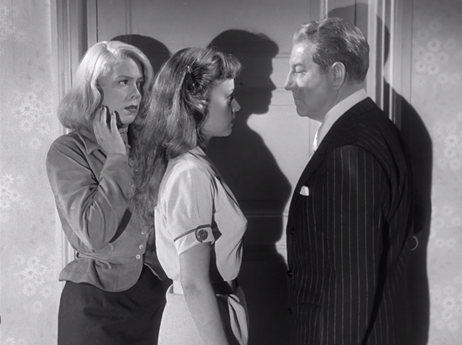
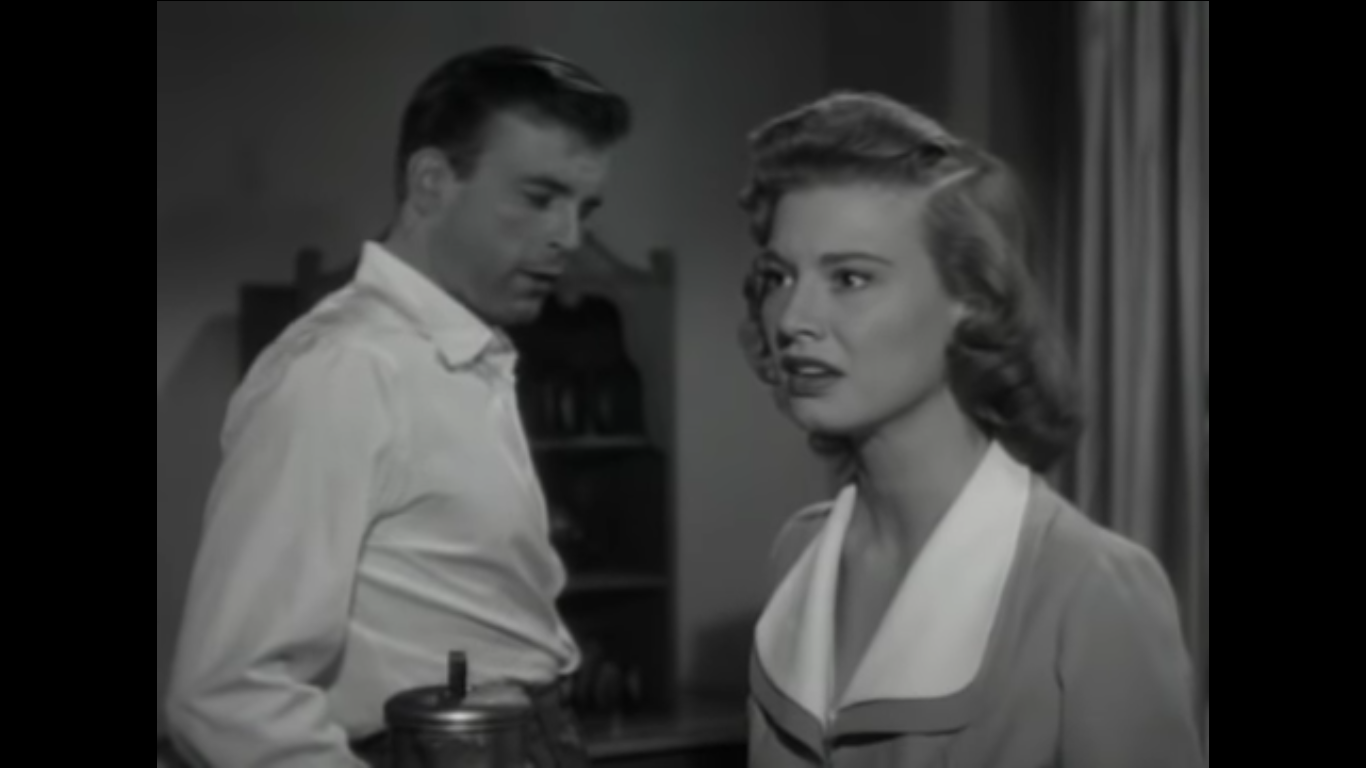
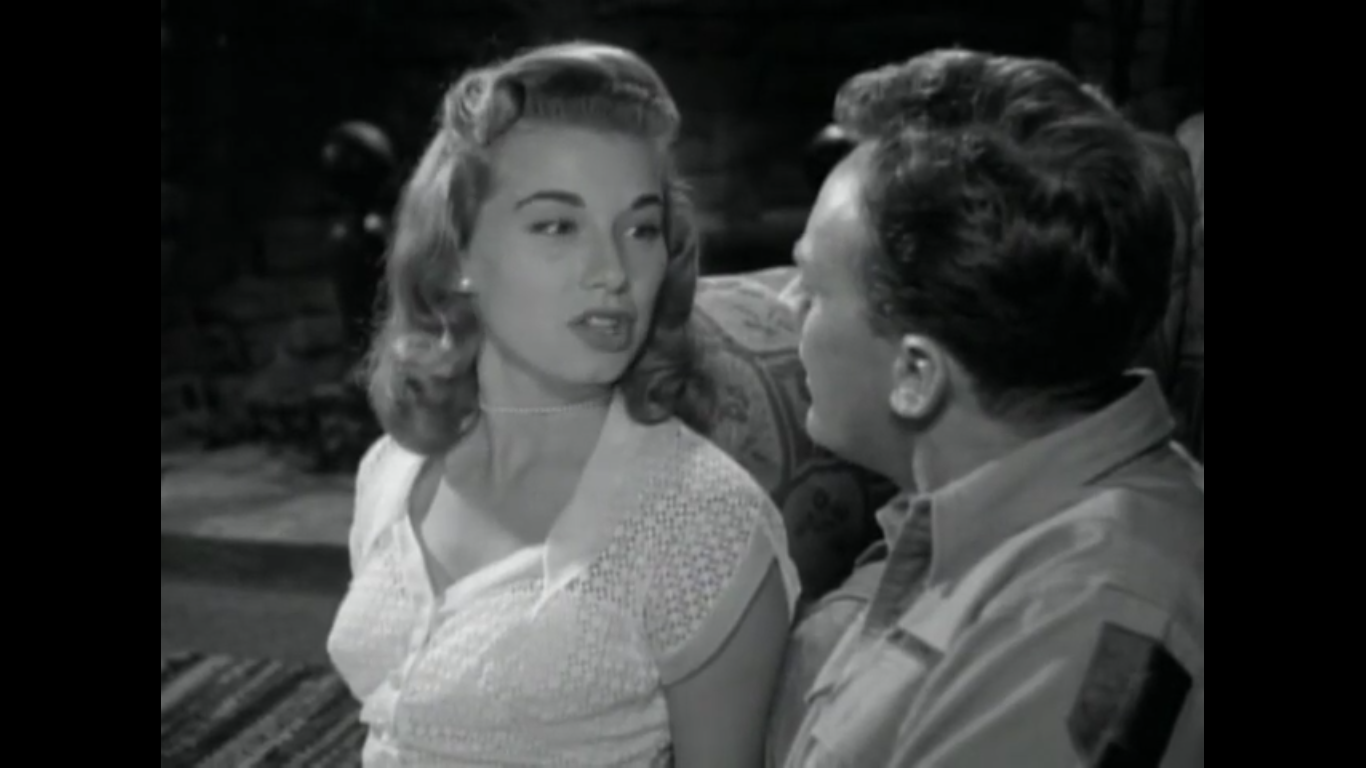
One of them is named Donna Allen (Audrey Totter), a dame he found out on a street corner by the same upstanding establishment he just happened to meet Foster at. Audrey Totter does her gloriously acerbic rendition for this strange character and plays it nice and tender as well. It’s a fluid performance for a peculiar role calling for a hooker to get promoted in status to that of a campaign manager and confidante.

Suddenly, the works of devils and angels don’t look altogether dissimilar. After all, he raises this woman of ill-repute out of the gutter, gets her an apartment, drapes her in mink coats and stoles. However, it’s the ulterior motives that are most revealing.

Because eventually, Nick has worked his way up — greasing the wheels of Foster’s ego as it were — so they can start talking about the murky grays of politics. His line of arguments are deceptive to the point he has his victim finds himself conceding on the same points of moral bedrock as Claude Rains in Mr. Smith Goes to Washington.

They buy into the lie that this is the only way to get anything done. Maybe it is partially true. Who am I to say? Conveniently, in the other picture, Thomas Mitchell was the wisecracking journalist who could observe from a comfortable distance. In this one, he’s embroiled right in the middle of the mess.

With Nick Beal constantly needling him and all the conflicting forces and voices in his life swelling, it really is a tug-of-war for his soul. Everyone wants a piece of it. His wife, the reverend, Nick, even Donna. It’s the intent that colors their true character.

Thus, Alias Nick Beal is an impeccably noirish take on spiritual warfare — the necessity of “pinning the devil to the mat” — before he totally makes you into a self-serving, arrogant person. Given the context it’s already working within, Nick Beal is a creative riff on Faust, but it never feels like full-fledged noir since the moralism is laid on a bit thick.

Neither of these elements is altogether detrimental, but it does feel like the movie is diluted in all its efforts. It’s this curious amalgam of disparate points of interest and self-reflexive in its orchestration with Milland being allowed to be villain and impresario. Again, the pieces and the resulting performances are intriguing, but it feels too cut-and-dry in the scripting department.

There’s never the great intrigue of watching a movie where we imbibe the sense of drama, romance, laughter, or whatever else. It feels like a story is being spun for the sake of Nick Beal so we can see him pulling the strings in front of the camera. Meanwhile, other themes are either cast aside or never fully explored. They could have been the building blocks for another movie entirely.

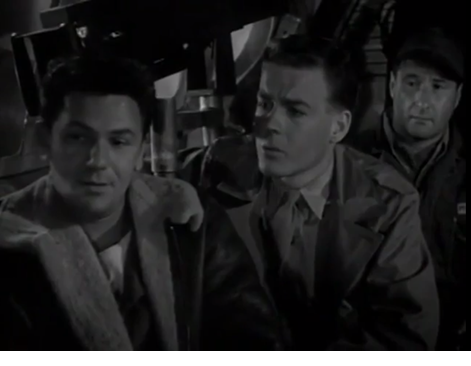
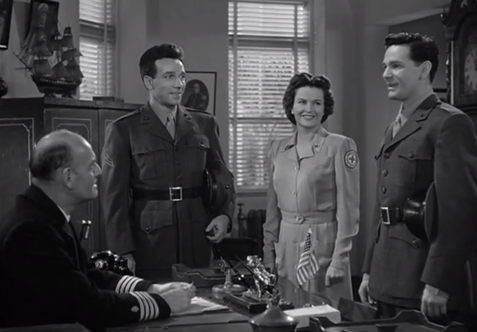
All told, I’d put it a couple rungs under the likes of The Bishop’s Wife and Here Comes Mr. Jordan. And it’s not quite on par with director John Farrow’s The Big Clock or His Kind of Woman. Milland is enough to make it nearly worth it.

3/5 Stars


The Unknown (1927): Silent Cinema Out on The Big Top

As someone always trying to steep myself in more and more silent cinema, I still have much to contend with when it comes to the careers of Tod Browning and Lon Chaney. However, from everything I can gather, The Unknown is a wonderful melding of their talents, Browning drawing on his penchant for the outcasts of humanity and his own past on the carnival circuit.

Meanwhile, though he would die in 1930, up until that point, Chaney really was a standout in the fledgling movie industry for how he approached the acting profession. He was the “Man of a Thousand Faces” because he went against the prevailing current — the desire to promote an image — and he succeeded by promoting many. He was the era’s beloved chameleon. The Unknown is little different.

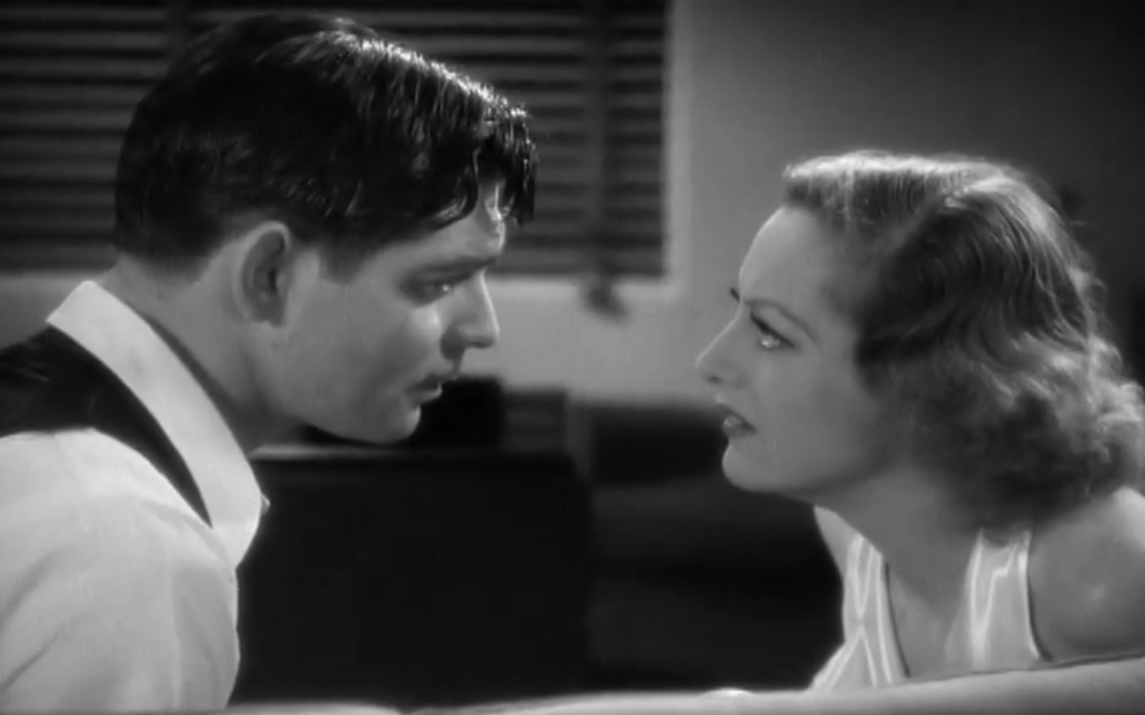
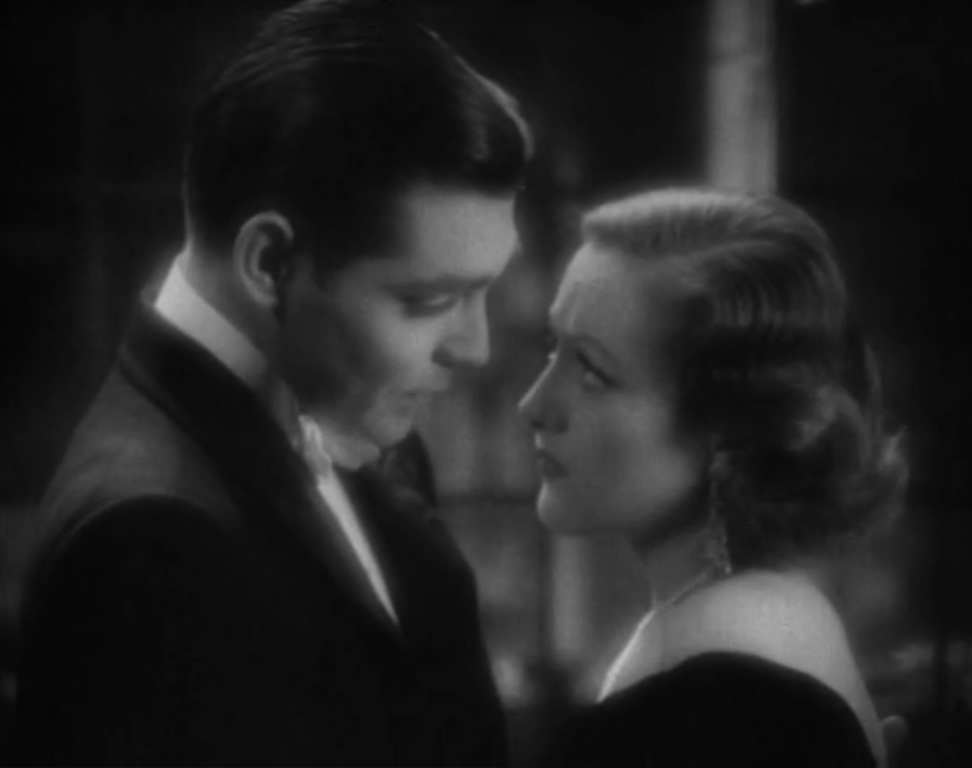
It’s a story of old Madrid. The tale is set in a gypsy circus and involves an armless knife thrower (Chaney) and the love of his life: his boss’s daughter Nanon (Joan Crawford). At first, it seems like an immediate oxymoron. Sure enough, we see Alonzo the Armless doing his art with the dexterity of his feet. It’s the marvel of the movies watching it play out in front of us as the ringmaster’s daughter plays his daring assistant.

But once the crowds are gone and after hours we come to understand some of the other dynamics behind the Big Top. Nanon is a young woman with an almost obsessive fear of men. She trembles when the male performers in the company try to lay their hands on her. She’s left with this lingering fear and an aversion to their very touch.

It goes beyond a mere sense of harassment, verging on an elemental level at the very core of her being. It becomes the film’s primary metaphor and sadly this metaphor maintains its relevance almost a full century later. In one summative line, she cries out: “Men. The beasts! God would show wisdom if he took the hands of all of them.” Her distaste is stated quite plainly.  

That’s part of the reason she has a special place in her heart for Alonzo, being vulnerable and kind to him because, with his physical disability, he cannot take advantage of her.

Chaney does so much to make the reality of his character’s disability supremely evident. There’s actually some sense of the suspension of disbelief. It’s a habit of movie magic and the subsequently projected illusions, we want to see how they do it.

Is it possible to see true signs of Lon Chaney’s able body? And yet The Unknown shocks us by stripping away everything. Behind closed doors, he loses his normal attire and gains a pair of arms because you see, he’s not actually armless. 

It’s not just part of his act. He’s pulling it over on everyone in the troupe aside from his closest confidante Cojo (John George). He discloses to him, There’s is nothing I will not do to own her!” Because he too secretly has his sights on Nanon, wanting to have her for his own through this act of sophistry. 

Like the best silent cinema, The Unknown feels so emphatically poetic, where the characters represent more than themselves. They shed the mere realms of reality to speak to something far more, at times, both terrifying and tender. Suddenly, the movie morphs, building into a wicked tale of irony. I wouldn’t think of divulging all of it here, although such sordid things like murder, amputation, and blackmail abound.

Also, be prepared for the finale. The world is literally being ripped apart at the seams, and it becomes the film’s gloriously chaotic crescendo back out on the circus Big Top. The carnival strong man, Malabar the Mighty ( Norman Kerry), Nanon’s suitor, looks to show off his feats of strength; they are rapturously in love. Joan Crawford snaps a whip from the platform up above as she rallies the horses galloping on their giant treadmills. Alonzo looks on poised for revenge against his romantic rival. 

It conjures up indelible images of performed chaos leaving a starling impression even after all these years. If nothing else, it proves silent cinema is far from rote, often brimming with all sorts of memorable even perverse bits of storytelling. The Unknown’s overall impact is not to be taken lightly. 

Viewers would do well to seek it out if only as an act of appreciation of Browning, Chaney, or Crawford. The picture, in its current form, is missing some of its original exposition, but what a fantastic relic it is. However, it’s far from a museum piece. It feels fiercely alive even after all these years. I did take some issue with the cut I’ve seen if only because of the typically off-putting soundtrack that feels too modern and incongruous to make me truly appreciate what is on-screen. 

But the title cards have a pleasant lyricism to them accentuating the story’s dramatic situation so we can fully appreciate its implications. Likewise, Joan Crawford, as a recognizable entity, isn’t fully flourished into her full-bodied image of stardom even as glimpses of her emerging persona flash upon the screen. However, it’s absolutely a testament to why Lon Chaney was a revered talent of the silent generation right up until the end of his life. 

4/5 Stars

What I Learned About Peggy Dow

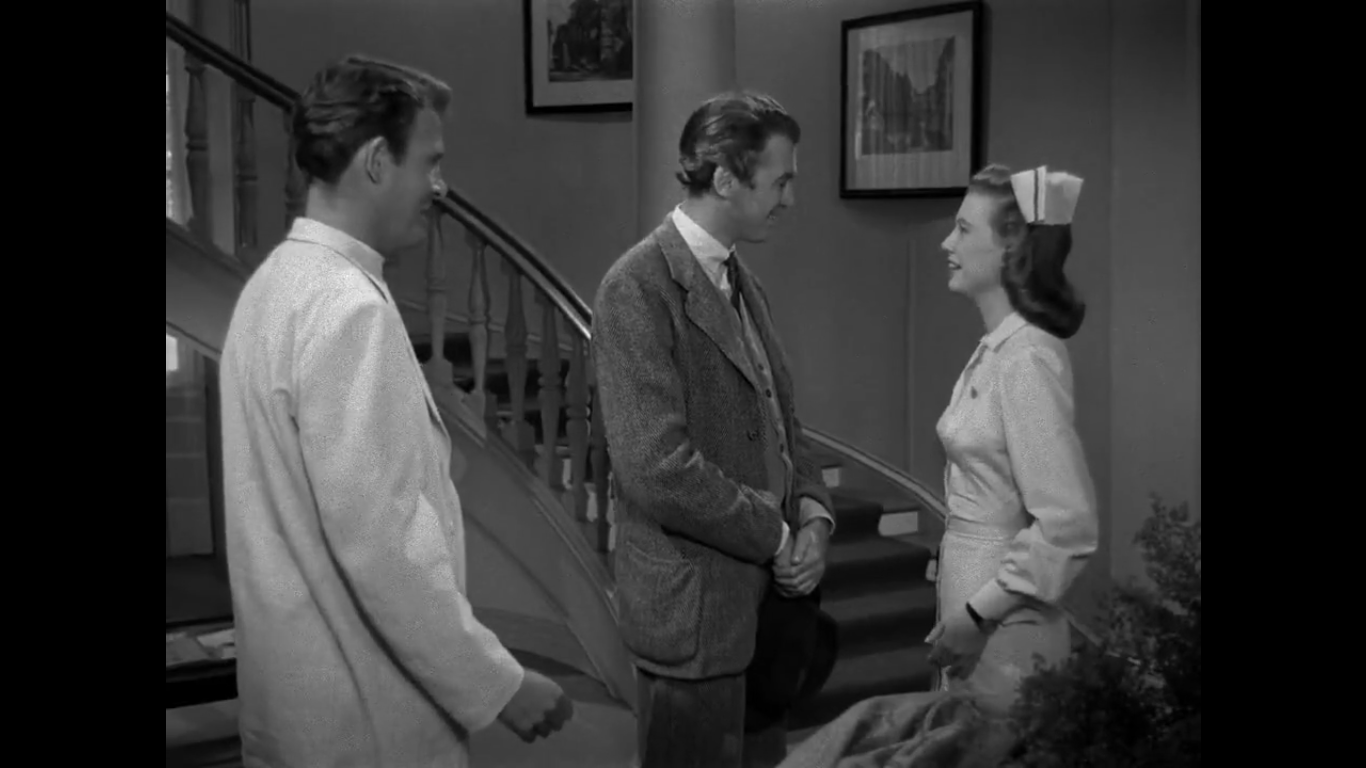
Peggy Dow Helmerich hasn’t been a Hollywood starlet for about 70 years. However, she still delights fans years later in her movies including Harvey, starring Jimmy Stewart in one of his incomparable performances.

I recently took a look back at some of her other movies that saw her starring alongside generational talents like Ida Lupino, Dick Powell, and Arthur Kennedy.

Here are just a few of the fascinating things I picked up along the way. I hope you find them as interesting as I did.

  • She attended Northwestern and was classmates with the likes of Paul Lynde and then Charlton Heston, Patricia Neal, and Cloris Leachman, who were a couple years older.
  • Her name was shortened for the screen from Peggy Josephine Varnadow to Peggy Dow.
  • She was a part of Universal’s class of young players including Tony Curtis, Rock Hudson, and Piper Laurie.
  • When she was in Hollywood she lived in the Hollywood Studio Club, which was created by Mrs. Cecil B. DeMille to help young actresses. Other tenants included Marilyn Monroe and Barbara Rush. 
  • The first car she bought in California was a green Chevrolet hatchback.
  • She was an acquaintance, from her Hollywood days, of Colleen Townsend Evans.
  • She was on the cover of Life Magazine in August of 1950.
  • Along with Joanne Dru, she presented Edith Head with her Oscar at the 1950 Academy Awards.
  • She initially wasn’t too keen on playing a nurse in Harvey since she was slated to play an Indian princess in a western opposite Van Heflin (It was probably Tomahawk).
  • She received an award from Harry S. Truman in Washington D.C. on behalf of the film Bright Victory.
  • She was asked to come back to Hollywood in 1956 to star opposite William Holden in Toward The Unknown where he was set to play a test pilot. She ultimately declined the part.

Until next week, here are some stills from Peggy Dow Helmerich’s films:

Charles Drake and Dow in Harvey

Jesse White, Dow, and Drake in Harvey

Dow with Jimmy Stewart

Dow with Dick Powell in You Can Never Tell

Dow with Arthur Kennedy in Bright Victory

Farley Granger and Dow in I Want You

The best in-depth interview with Mrs. Helmerich can be found in the Voices of Oklahoma from 2009. There are a lot of great details featured if you’re interested.

She also did a lovely telephone interview for the Jimmy Stewart Museum.

For more contemporary newspaper columns, check out the following:

Scott, J. L. (1949, Oct 02). Peggy dow, who scored that way, sees TV as surest gateway to motion picture success. Los Angeles Times (1923-1995) 

HEDDA HOPPER: CONTE AND PEGGY DOW ‘WEB OF CITY’ STARS. (1949, Oct 21). Los Angeles Times (1923-1995) 

REBA AND, B. C. (1950, Jun 08). Peggy dow’s small fry party stresses fun and participation. Los Angeles Times (1923-1995)

Hopper, H. (1950, Dec 10). Peggy dow endows roles with zest and impact. Los Angeles Times (1923-1995)

Schallert, E. (1951, Nov 18). Peggy dow sketches future as she quits hollywood to wed. Los Angeles Times (1923-1995) 

You Can’t Take It With You (1938): Quality Capra

you can't take it with you 1.png

This is my post in The 120 “Screwball” Years of Jean Arthur Blogathon put on by the Wonderful World of Cinema!

Mr. Kirby (Edward Arnold), or A.P. as his deferential colleagues call him, is a business magnate with innumerable successful endeavors. He has the full pockets to go along with a career full of shrewd decisions. And the latest scheme he’s worked up just might be the granddaddy of them all, that is, if it weren’t for the obliging grandfather in his way.

It stands to reason if Kirby can secure the 12 blocks around the Ramsey company, his one sole remaining competitor, he can cripple them out of business with a large scale monopoly, therefore controlling the munitions industry outright.

It’s a representation of the ugliest strain of free market capitalism. This is not the type of carte blanche you want ruling business, especially in Frank Capra’s world. Still, Kirby wants no interference and that means even Martin Vanderhoff must go. He throws one of his cronies, the perpetually twitching Clarence Wilson, at the problem to get it resolved by any means necessary.

But lest you think the man is merely an old crank who won’t sell out, Lionel Barrymore (now crippled by worsening arthritis) walks into the picture on crutches and mesmerizes the entire audience with his instant charisma. This isn’t quite UP, nor is he just a silly little man gumming up the works. Well, maybe he is, but he finds strength in family. That and his given temperament are all the better for doing battle with Mr. Kirby, indirectly though it maybe.

Lionel Barrymore is defined in modern generations solely by the curmudgeon Mr. Potter and little else. What You Can’t Take It With You is a superlative reminder of is just how magnetic an actor he was in all sorts of parts. Here he serves as the affable glue holding the picture together at the seams and spinning wisdom throughout the neighborhood.

It begins by recruiting other “lilies of the field” including the timid Mr. Poppins (Donald Meek) who leaves behind the job he’s been slaving away at to follow his passions. You see, he makes things.

you can't take it with you 2

There’s something innately compelling about the life Mr. Vanderhoff leads. In fact, it’s a bit of a practical utopia. He doesn’t work. He follows his fancy, whether sliding down the banisters, playing his harmonica, or going to the graduations to listen to the speeches. Still, he gets by and feels deeply contented holding malice towards none. The prayers he sends up to the big man upstairs are irreligious, frank, but genuine in nature.

His family takes much the same approach ,and they’ve built for themselves a comfortable if altogether quirky family commune.  Tony Kirby’s not far off when he surmises it’s “Like living in the world of Walt Disney.”

Grandpa does all the aforementioned activities including collecting stamps because it’s what he likes best. Mr. Sycamore makes fireworks because he never grew up and mother writes plays because a typewriter was delivered to the house by mistake. Mr. Poppins feels right at home in the basement workshop devoted to all sorts of fanciful tinkering with a raven hopping about. Meanwhile, the precocious Essie (Ann Miller) jaunts around in ballet slippers to her husband’s xylophone playing.

Charles Lane’s IRS income tax man paying a house call and grating up against the libertarian, pragmatism of Grandpa is a hint of conflict just waiting to come to a head. Of course, all of this would add up to nothing if it weren’t for the central romance spawning the indelible chemistry between James Stewart and Jean Arthur.

Because they are a bit of the prototypical Romeo & Juliet passion. He’s set up in his father’s business with no aspirations whatsoever to take over the family firm, and she is his typist with no status to her name. But we never once forget who these people are, and they are adorable together.

They forego the stuffy ballet for two front row seats at a much more attractive park bench, complete with daydreamy small talk and a personal show by a pack of real toe-tapping tykes. Then, it comes to meeting the parents at a well-to-do restaurant and in the sheer awkwardness of the scene, one cannot help but reminisce about Hepburn and Grant’s own high jinks from Bringing up Baby. This one involves a humorous tag, some phantom mice scurrying about, and so on and so forth (you get the idea).

you can't take it with you 4

However, the creme de la creme has to be his parents coming over for dinner to meet Alice’s family under the most embarrassing circumstances, just as whimsical bedlam sets in. Xylophones, dancing, darts, exploding fireworks. You name it and they’re doing it. In fact, it’s enough for them to get raided by the police and serve time down at the courthouse waiting for bail — the Kirbys included. It’s the proverbial nail in the coffin.

I’m not sure if he was genius or not, but Capra had a knack for capturing the organic mayhem of a bustling courtroom to a tee. You Can’t Take It With You‘s finale uses the judicial arena to bring the story out of despair. There are words traded, a $100 fine enacted, and the passing of the charity hat, with the same outpouring of generosity from the common folk George Bailey would later be blessed with. Even the benevolent judge (Harry Davenport) throws into the pot.

And obviously, there is no Capracorn without the inspired quill of Robert Riskin. Watching more and more of Capra’s collaborations with Robert Riskin, there is the sneaking suspicion that the screenwriter has as much to do with this American optimism we so often attribute to the director. Because the words, the scenarios, the characters are constructed in such a way to draw on these deep-running themes time and time again.

You Can’t Take It With You is an unequivocal reminder that these prevailing themes of humanity never quite go away; they only reimagine themselves and return with a vengeance. The patriarch laments the fact nowadays most everyone says “Think the way I do or I’ll bomb the daylights out of you.” If this aphorism was true in a pre-war society, think how much more pertinent it remains in a hyper-polarized, antagonizing social media age.

You can scoff out their resolutions as needlessly naive or champion them as eternal optimists. Regardless, in the world dreamed up here, it’s not just the lion laying down with the lamb. The banker can play harmonica with the country bumpkin and pick up the Russian in a fireman’s carry. If that’s not a bit of paradise, I’m not sure what is.

4/5 Stars


Drums Along The Mohawk (1939): Ford, Fonda, and Colbert

Drumsalongthemohawk.jpgRecently, it’s come to my attention there is really is a dearth of colonial America pictures between the likes of Disney’s Johnny Tremain and Mel Gibson’s The Patriot. The reasons seem somewhat obvious at least in the current day and age. Period pieces cost money and such material feels crusty unless you spice it up with ingenuity a la Hamilton.

For anyone who might want a dose of debatably historical entertainment, there’s Drums Along The Mohawk. Because what it cannot claim in the realm of accuracy, it more than makes up for with the usual shading of classic Hollywood reined in by a consummate professional directorial eye like John Ford’s.

This particular narrative begins with a newly wedded couple in Colonial America Lana (the always glamorous Claudette Colbert) and Gil (a severe-looking Henry Fonda). The ceremony takes place in a grand estate, and it’s true Lana comes from a wealthy family. In this regard, it’s easy to buy Colbert in this part given her image and even easier to comprehend her dismay when she is met with the stone-cold reality of frontier life.

Because, as it happens, Gil has sectioned off a plot of land near the Mohawk River, building a rudimentary log cabin just to get them started as they get on their feet as farmers. For his wife, it’s a shock to the system with the pelting rain and a late-night visit by the generally benevolent Native American: Blueback.

Fresh off their honeymoon, they make the acquaintance of the dubious John Carradine with allegiance to the Tories, matched by veiled threats of a potential Indian uprising. Otherwise, all the rest of the local folks are amicable, welcoming the Martins into their tight-knit community with open arms.

Like any God-fearing populous, they have church on Sundays and a ragtag militia carried away by the “Spirit of ’76.” It proves inconsequential when their homes get ravaged and razed to the ground by marauding Indians, an admittedly faceless tribe, catalyzed by a loyalist.

Until this point, Along The Mowhawk is not altogether compelling, despite our director and leads. However, it settles into its own when our protagonists have nothing; it forces them to make a crucial decision. They seek refuge on the farm of a blunt widow with enough gumption (and covert kindness) to make a new life seem feasible.

The word from the church pulpit is the most hilarious foray in comedy as the preacher takes a dig at Massachusetts men and notes the battle at hand, meaning that all men are expected to report or else be hung! He ends it with a resounding Amen. It’s old-time religion if there ever was such a thing, complete with an earsplitting “Hallelujah” from one of the good Christians.

A worthy image in the Ford catalog comes when the men march off in their column snaking down the dirt road, off into the distance, with the womenfolk watching them leave. It has the tangible sense of space — the assurance of a painting — informing the best pictorials of the director. The simplest measure of excellence is the fact it’s pleasing to the eye.

But of course, when soldiers go off to war some die and the rest come back as changed men. We recall the horror, the almost shell-shocked nature, of war.  Henry Fonda plainly detailing what they saw out in the thicket when they got ambushed is too real. You begin to remember this is right on the advent of WWII. WWI is still a heavy burden on America’s mind as the war to end all wars.

Within the context of this film, it becomes an even more complicated comparison when you place the antagonism of Americans versus The British of the colonial era with the soon-to-be conflict between Britain and The Nazis. In fact, Ford seems to make a distinction between calling the enemy “Tories” versus the British. In 200 years allegiances have changed a great deal.

However, it wouldn’t be a true Ford picture without folks kicking up their heels in a fit of merriment to fight off the dark tides with a joyful show of community. Ward Bond gets his finest moments opposite Mrs. McKlennar, calling into question her prowess in drinking and kissing. She gaily obliges. Meanwhile, in a lowly lit corner, Lana prays these good times might never end. Of course, they do.

Homes are burnt to the ground again. The townsfolk are forced to fall back to their fort to stave off the enemy onslaught in one valorous stand. It feels like a melding of apocryphal American Revolution history, “Remember The Alamo” sentiment and a moderate dose of Ford’s own mythologizing about the frontier. It’s not his very best, but there is a basic flare for the spectacle.

If we might try to encapsulate the reverberating theme to the last line, it would be fitting to evoke Revolutionary War General Nathanael Greene who is quoted as saying, “We fight, get beat, rise, and fight again.” Ford’s film reinforces this as being the American way. The only question remains who really gains the right to this way of life.

3.5/5 Stars

Jesse James (1939): Tyrone Power & Henry Fonda

jesse james 1.png

Reputed screenwriting scribe Nunnally Johnson starts off on clever footing by giving his mythic western hero an obvious antagonist. It was the railroad — that lawless iron horse — forcing Jesse James into the position of a criminal. Though he would evolve over time into the complicated human being projecting his legend, at least in the beginning, he was all but driven to take the mantle of an outlaw. At least in this telling. 

In making his hero fully sympathetic, Johnson has cast James as a western Robin Hood righting the wrongs perpetrated against him and others based the bloodthirsty land grabbing of railroad companies. Brian Donlevy, still yet to be promoted from his heavy roles, makes his rounds swindling the general populous and using more persuasive tactics to swipe their holdings.

Content notwithstanding, Jesse James is just about the glossiest possible extravaganza, you could offer a cold-blooded outlaw. The early Technicolor is gorgeous to behold, and in these prime early years of their careers, Tyrone Power and Henry Fonda aren’t in need of any favors.

Jesse James (Power) is nothing more than a gee-whiz country bumpkin when we first set eyes on him. His big brother Frank (Henry Fonda) sits in the house lazily chawing on tobacco. Despite living with their concerned mother (Jane Darwell), they aren’t squeamish about sticking up for their own. They also aren’t about to be squandered out of their land without a fight, and they’re ready to oblige any strong-armed tactics thrown their way. Dunlevy doesn’t stand a chance.

As they flee into the night with reward posters calling for them to be dragged in for a hefty reward, they on take the mantle of fugitives almost out of necessity. It’s not merely about absconding with payloads for their own pleasure. This is a form of just retribution to be enacted against the corrupt machine belching smoke and literally railroading every poor sap in its way.

A codgerly newspaperman (Henry Hull) is one of their primary champions, though each week spawns a new tirade, whether it be lawyers or dentists or any insufferable faction who are all destroying society as we know it. Rufus Cobb is one of the voices rallying the public on Jesse’s behalf because it is his daughter Zerelda (Nancy Kelly) that the man has an eye for, but he also genuinely likes the lad.

jesse james 2.png

Even as the James’ boys notoriety grows, Jesse and Zee get hitched in an impromptu church wedding. They find out, even among this congregation, they have a great deal of friends.

For every conceited businessman represented by diminutive railroad baron Mr. McCoy (a comically demonstrative Donald Meek), there is another humble, salt-of-the-earth human being like local Marshall Will Wright (Randolph Scott). He knows the law, in all its strictness, calls for him to chase down James as a craven villain. In his own way, he’s cheering for him to live another day, even as he turns the other way on at least one occasion.

It’s this sense of good faith and the pleading of his wife leading Jesse to turn himself into the authorities for a fair trial. The judge has vowed for leniency as negotiated by the marshall. They’re all for a fresh slate. Mr. McCoy is not such an understanding fellow. All he thinks of are dollars and cents. He uses his resources to bring in his own judge and make a harsher sentence stick.

However, he’s hardly counting on Frank James. He happens to be a brazen fellow, and when he vows to come in and retrieve his brother from jail before the stroke of midnight, you better believe he’ll keep his word or else be taken for a fool. Even after their thrilling escape — one of the most gratifying successes of the picture — we fall into a bit of a rough patch.

Not only has Jesse gone off on his own to leave his family to live without the specter of his reputation, he begins to change with the constant pressures and paranoia weighing on him daily. He’s no longer the same good-natured kid who once went on the run in a righteous coup against extortion.

While not a film you look for poignancy in, Henry Fonda is present and he does deliver one monologue that speaks to something supremely candid. Jesse has become hard and crazed, systematically alienating all those around him. And if there’s anyone who can speak to him, it’s his brother Frank. Fonda handles the scene with his usual subtleness dumping all these obvious grievances in the lap of his own flesh and blood. He encourages him to draw if he needs to. Frank’s not squeamish about it, but it’s his last-ditch effort to speak some sense into his kid brother.

What will come of Jesse if he doesn’t trust those who have still stuck with him? Of course, among the faithful, there is often a Judas. In this case, Robert Ford (John Carradine), intent on getting a payoff for stabbing his old compatriot in the back.

We understand implicitly we are reaching the beginning of the end. First, they get corralled in a town after a bank job and a hail of bullets comes raining down from any number of windows. This is not what does him in. If you’re acquainted with the history, you’re aware he got knocked off by a double-crossing skunk. Then, again, this is not the Sunday school truth. If anything, Johnson relishes tinkering with the details and coloring in the tall tales to fit his ambitions.

The verdict? Jesse James feels a bit sluggish as it runs its course. There’s not enough action or bank robberies in the span of the film to make it really feel alive with the overarching aura of the James brothers. In its most watchable moments, it functions, fundamentally, like a family drama. Even if the movie is only a minor oater, Tyrone Power and Henry Fonda are the main attractions, and they rarely disappoint.

3.5/5 Stars

Classic Movie Beginner’s Guide: 60s Spy Spoofs

As part of our efforts to cater to up-and-coming classic movie fans, here’s our latest installment to our classic movie beginner’s guides.

In appreciation of the James Bond franchise and the newest installment that will hopefully still be released early next year, we thought it would be fitting to highlight four spy spoofs that had as much fun with the genre as their inspiration, if not more so!

While we’re partial to Don Adams’ Get Smart on the small screen (or The Man from U.N.C.L.E), here are four franchises to consider if you’re interested in the spy fad of the 1960s. Here we go!

Fantomas (1964)

Image result for fantomas 1964
France’s answer to the Bond craze came with retrofitting a national comic book hero and supervillain for the ’60s. The blue-faced mastermind Fantomas (Jean Marais) is constantly avoiding capture by the bumbling Inspector (played by comedy’s best-kept secret Louis De Funes). Thankfully, he has the help of an intrepid journalist (also played by Marais). Two more installments would follow.

Our Man Flint (1966)

Image result for our man flint
Not to be outdone by his compatriots, James Coburn also got his chance to be a top-class secret agent named Derek Flint, who fits all the parameters of a world-renowned spy, including playmates, gadgetry, and continual globetrotting. His travels bring him in contact with a deadly adversary (Gila Golan) and the nefarious Galaxy! One more Flint film with Coburn would follow.

The Silencers (1966)

Image result for the silencers imdb
Dean Martin is no one’s idea of a James Bond (a drunk one maybe), but his good-natured persona and womanizing ways make him the best off-beat answer to Bond as impregnable agent Matt Helm, also based off some serialized literature. It’s campy, low-grade spy spoofing at its best (or worst?). A bevy of sequels came out in rapid succession.

Casino Royale (1967)

Image result for casino royale 1967
Definitely not to be confused with Eva Green and Daniel Craig’s iteration, this is the most unwieldy and extravagant of all the spoofs. The cast is absolutely stuffed with big names, and it really is an excuse to roll out the talent. Everyone from David Niven, Peter Sellers, and Ursula Andress masquerade as the incomparable Bond. The best thing to come out of the movie might be “The Look of Love,” but there are lots of memorable cameos.

What other classic Bond or spy spoofs would you recommend?

Dark Victory (1939): Bette Davis at Her Best

dark victory 1.png

Dark Victory reminds one how eclectic the Warner Bros. stock company was in 1939 because, in a Bette Davis vehicle, the first visage to present itself is none other than a wry Humphrey Bogart. The movie is a veritable grab bag of assorted talent from Bogart to Ronald Reagan and even kindly, bushy-browed Henry Travers. Despite still being a supporting player (his ascension would come in two years), Bogey is having a grand old time as a smart-mouthed horse trainer named Michael O’Leary.

He is under the employment of one Judith Traherne (Davis) who is coming off her most recent bender, living it up in local social circles. It’s an obvious first impression although, as time goes on, we get quite a different understanding of who she is as a human being. It’s often the case trials and tribulation mixed with romance have a habit of bringing out the truest essence of an individual.

For the Davis character, it begins inauspiciously enough. We expect her to be a frivolous, spirited socialite partying, drinking, smoking cigarettes, like any self-respecting belle in her position. In such a world the happy-go-lucky playboy Alex (Ronald Reagan) seems to be an impeccable match.

Her best friend Ann (Geraldine Fitzgerald) is the doting sounding board who might as well be a part of Judith. At any rate, she functions as a guardian angel constantly worried about the other’s well-being. She never fails to be by Judith’s side in all manner of circumstances — it’s almost uncanny — but cinematically, she becomes the necessary foil on which our heroine transfers all her fears.

This is a crucial relationship as the story progresses. For it is Ann who bears the brunt of the sorrow, in effect, freeing Judith to push bravely forward. Ann cries the tears so her friend doesn’t have to. But I’m getting ahead of myself. We must put it out there now that tragedy strikes.

The events are instigated in one frightening instance when Judith all but runs her horse through a jump out on the range. They are both shaken up, but the fall is written off as a lingering after-effect of the previous night’s merriment.

Still, the incidents persist. One afternoon Judith takes a tumble down the stairs while later confiding in her friend about other isolated moments and the recent hangover-induced headaches she hasn’t been able to shake.

While Judith remains peppy and bright, in all manner of speaking, there’s no question these developments have left her frazzled — her nerves undone by this unexplained erratic behavior.

At about this time, our other important character is introduced, a well-respected brain surgeon (George Brent) who is all but prepared to give up his booming practice for a more relaxed mode of medicine. It is only as a favor to a friend he even takes a look at Ms. Traherne (As a  minor side note, it’s staggering to acknowledge this was the eighth out of eleven onscreen appearances Brent made opposite Bette Davis!).

His subsequent examination is basic but wholly conclusive, and it is a clever bit of exposition instigated by director Edmund Goulding. We learn instantly the doctor’s new patient is losing some of her ocular and motor skills. It’s evident something is wrong. Though he does not frighten her in the moment, he has suspicions she is stricken with cancer.

The consequence. She’s going to die. It’s only a matter of time. The main conundrum suddenly thrust upon the doctor and Ann is a deplorable one: To tell her in all truthfulness what is inevitable or let her live in ignorance so her final days might be blissful.

What do you expect to happen? Of course, they never get the chance to make the decision. Two words: prognosis negative, are all Judith needs to put it all together. She feels betrayed and disdains their pity. She will never be the same.

The way Davis approaches each of these scenes with almost a spastic giddiness makes it different than what one might typically consider mainline Bette Davis, whether The Little Foxes or All About Eve. If anything, it reveals her immense aptitude at projecting different sides of humanity. Because she seems so very superficial only to subvert all our expectations with an unassailable strength, bolstering her in her waning days.

dark victory 2.png

The tear-jerking melodrama is a precarious affair because it must throw out all sorts of tragedies and sentimentalities while all the while compelling the audience such that they don’t completely laugh off the whole idea as poppycock. After all, it’s about the easiest thing in the world to dismiss such a picture — we’ve seen enough soaps in our days to grow weary of them — but the good ones take us through the paces and still manage to get to us.

Dark Victory is no person’s idea of a perfect film, but it does what it sets out to do quite stupendously. Even as someone never quick to fawn over Bette Davis, there’s no recourse but to laud her performance.

Not often am I fond of a Davis character, even the ones you’re meant to like. Dark Victory teeters somewhere in the middle for a while, but the sheer tornado frenzy of giggling life in the face of death wins out. It’s a testament to Davis more than anyone else as she all but sticks the landing, carrying the magnitude of the drama with her implacable performance.

The title itself, Dark Victory, initially sounds morbid or like it’s indicating some form of vindictive revenge. And yet really, this is a happier story imbued with hope in the face of said tragedy. It is a victory over the dark even as the light dissipates for Judith.

In reality, the trills of lasting romance and fearlessness in the face of the great unknown offer her vindication over her struggles. We are not meant to weep over her lot in life. Instead, taking a cue from her own outlook, we must lean into the sweetness in lieu of the tragedy.

4/5 Stars

Goodbye Mr. Chips (1939): Championing Education

goodbye mr. chips 1.png

“Chips” of Brookfield School is a bit of a human institution. Now over 80 years of age and retired from his esteemed post at the school, he still is afforded a decent bit of celebrity. The years have not slowed down his wit nor the warmth behind his words. His full life has been a testament to both.

Thus, in his waning days, as he sneaks onto campus for convocation, against doctor’s orders, or takes a restful snooze in his parlor, there’s little sense of regret. The world around him is full of traditions and lineage. After all, Brookfield is a boys’ school with a certain classiness and pedigree. Reflected by the fact the professors dress in the garb we now only wear once in our scholastic career. They can be found in a cap and gown every day.

Likewise, the students are held to a certain standard of dress and expected to address their teachers in a manner customary in such environments. Still, the trilling voices of a boys’ choir hearken back to those days of yore when I was afforded the opportunity to enter such rapturous cathedrals as Canterbury, York Minster, and Lincoln. The impression they left on me is indisputable.

If we were to be critical, we might label it one of those stodgy, medieval institutions of a bygone era best forgotten in the contemporary world. Even Repton School, which served as a filming location, demonstrated long-ingrained toxic traditions of discrimination and bullying.

However, with all things, there is good to be gleaned and chaff better left on the threshing floor to be disposed of.  To be sure, the world depicted is open to such criticism, but if there is any form of antidote or satisfying counterargument it would be our unsung hero.

Because the disarming allure of this story is indebted to Mr. Chips (Robert Donat) and how he reflects all that is admirable about education. He singlehandedly removes it from a context we can never know first hand and makes platitudes and lessons universally understood. Progeny like Dead Poets Society are much the same. The time period does not matter so much as the message being preached.

The narrative succeeds in running the course of the years from his first day as a master at Brookfield up until his last, and this fluidity of time and space allows it to tell something as close to the scope of a real-life as is possible, within the time frame of two hours.

We come to realize Master Chippington was not beloved overnight. It was an arduous process full of failures and missteps. However, he does end up gaining the admiration of the boys in his stead, who were initially drawn to gags and partaking in their favorite blood sport — the undermining of their betters.

From the outset, as antiquated as these forms of British education are, we can immediately draw a bisecting line cutting straight through to the present. Because as long as there have been students and pupils, a war for supremacy has always been waged until the day where some form of mutual respect is settled upon. The struggle hasn’t changed so much as it’s evolved within new contexts.

In this age, it’s a world defined by caning for bad behavior and the promising glories of cricket cups, making all boys want to ditch their arithmetic and pointless studies for something of real substance – bragging rights out on the pitch.

Down the road, further still, he has a fresh mustache and years of experience under his belt. The boy he once consoled on the train years before is now a grown man returning to the stomping grounds of his youth; he is more an equal than a pupil. However, even someone as beloved as Chips is passed over for a promotion for housemaster. It’s the closest thing to an impediment in his career.

Gearing up for the second half, Goodbye Mr. Chips could very easily be a stuffy old drama under the watchful, if often moribund eye of Sam Wood. With leads so winsome and spry as Robert Donat and the ever effervescent Greer Garson, there’s little danger of such a grisly fate.

It’s true you only need one or two stellar pictures to have a career worth remembering for the ages. So it is with Donat. Despite being plagued by terminal asthma and dying fairly young, he stringed together several prominent roles, including Hitchcock’s 39 Steps, all but canonizing him as one of Britain’s finest leading men of the 1930s.

goodbye mr. chips 2.png

Meanwhile, Greer Garson still boasted a scintillating career ahead of her all through the 40s and 50s. The key to her enormous allure is on display front and center in Mr. Chips. She’s likable in any manner of speaking, gaining the immediate endearment of the audience, and never doing anything to alienate them thereafter.

But one is led to ask, in all of this vocational work in a boys’ school, where is one to happen upon Ms. Garson? The Alps, of course. What a lovely treat to have them both together propped up in the foggy mountainside sharing an amicable chat. There is still a certain propriety upheld when a man happens upon a woman. This is maintained and yet Katherine at the same time manages to be highly enlightened. Heaven forbid, she rides a new-fangled bicycle contraption in a dress (not side-saddle) and even holds aspirations to vote one day.

Regardless, she is a sanguine spirit who injects Chip’s vocation with a newfound idealism (even bestowing him with his apt nickname). She makes it exciting and heroic, breathing new life into his seemingly humdrum position, and it bleeds into the entire institution.

But first, there is the hesitant romance born while dancing the Waltz in Vienna. With Greer Garson in arm, any man would fly at the chance, and Chippington does his due diligence, dusting off his college dance moves. The marriage proposal in the wake of a departing train is the delightful capstone to the courtship. There are more joys to come.

The newly minted Mrs. Chippington brings the teachers’ room to a standstill with her utter radiance. In fact, it seems to happen just about any time she walks into a room or interacts with anyone. Garson leaves you glowing just being in her mere presence. They’re stupefied Chipping could have such good fortune, and yet they deeply deserve one another. She grants his life a newfound warmth and levity…

What a life it is — even in the cinema — where times at once so vibrant can be so unceremoniously quashed by adversity. It’s affecting in a very concrete manner. What’s even weightier is how time marches ever onward without much fanfare.

The indiscriminate carnage of WWI is felt within the halls of the school — it’s youthful ranks all but decimated by the bloodshed. One also recognizes Chips has witnessed so much. Generations, entire families, having passed under his tutelage. It is one of the wonders of education because I had the pleasure of having such a teacher in my life.

Being the youngest of three siblings, not everyone knows you as an entity connected with family. He might as well be our Mr. Chips, teaching at our high school for well nigh 50 years. The institutions of education have changed, but the merits of them have not. They become far more than facts and figures. They are a place to mature, cultivate character, and encourage individual thinking and fresh ideas to impact the world for the better.

Can we claim all of this is directly connected directly to education? I’m not sure, but I do know quality teachers have an immeasurable impact even as mediocre ones kill the same fertile grounds of knowledge. As the world changes, the need for excellent teachers is no less vital for the upkeep of our society at-large.

In his final hours, the frail Master Chippington is pitied for the lonely life he had. It’s true he lost loved ones. He beget no children of his own, and yet he peacefully asserts he engendered thousands of children. Because every lad from the ubiquitous Colley family (all portrayed by Terry Kilburn) and every other Tom, Dick, and Harry, whoever came through the halls of his school, was like a son. It’s not a mere sentiment. In his heart of hearts, he knows it. They do too. A life only has consequence based on how it is able to bless others. Mr. Chips understood this fact only too well.

What an amiable movie Goodbye Mr. Chips is championing pleasantness over any strain of abrasive negativity. It’s hardly fashionable, provocative, or radically cutting-edge. Then again, maybe a dose of chipper, idealistic entertainment goes against the grain in this often disillusioned world of ours. It has the power to melt your heart in the best possible way. In its place is left a warm smile.

4/5 Stars

Note: Goodbye Mr. Chips features a special dedication to producer Irving Thalberg who died suddenly in 1936. His impact on pictures such as this one cannot be understated.

Story of The Last Chrysanthemum (1939): A Traditional Japanese Epic

The_Story_of_the_Last_Chrysanthemum.jpgAkira Kurosawa is obviously known for samurai pictures — the famed chambara genre  — and Yasjiro Ozu is most sedulous when it comes to the relational bonds between parents and children in Japanese society. However, in some sense, of the so-called “Big-Three,” it is Kenji Mizoguchi who is most obviously attached to the Japanese tradition. I mean this in the way his visual style fluidly mirrors the range of Japanese arts.

The Story of The Last Chrysanthemum is a fascinating portrait because as with any early picture from a forthcoming master, it bears some of the marks that would come to define his career at its most sublime. Due to its availability, the subject matter, and the cinematography, it’s quite seamless to arrive at this extrapolation. Because this is a story set in the past and borrowing liberally from kabuki culture.

It’s also convenient to liken many of the uninterrupted takes to a constantly unfurling scroll. The art form obviously has deep roots in Japanese culture and Mizoguchi uses his camera in a similar manner to capture actions. The setups feel complex, especially for the day and age. Even with a print that proved less than stellar, there’s no ignoring the meticulous nature of the shots marked by invention and a highly novel mise-en-scene.

The beauty of these observations is that the director would only continue to evolve and mature with time. Staying away from close-ups means there’s this continual conveyance of a certain amount of distance. It’s not necessarily about not having an intimate relationship with the material, instead, it feels much more like we are given license to take in everything. We are given a very concrete position as a viewer ruminating in a piece of art.

I think of Ozu as being a master interior filmmaker. Much of the same might be said of his contemporary, though their methods are different. There is, of course, the prominent use of dolly shots you would never find in the other’s work. There is also a fluidity and a movement to Mizoguchi’s work, which nevertheless, should never be confused with the dynamicism of Kurosawa. It stands on its own individuality.

At the center of our story is a young stage performer named Kikunosuke, who is the adopted son of a famed actor and a hopeless performer hardly worthy of the family name. Everyone criticizes him behind his back: geishas, fellow actors, even his own father.

What’s worse, few are willing to give him the truth, instead offering him empty encouragement and stroking his ego. In fact, he’s only popular because of his bloodline; all the naysayers contemptuously note he’s riding on the coattails of his father’s glory. As a result, they’re either jealous of his good fortune or intent on using him to get ahead.

It frustrates him, rightfully so, and he wants to leave them all behind. Except there is one individual who is different: a young woman. Fittingly, Mizoguchi uses a fascinating shot to introduce their relationship. The woman stands, holding her charge, an infant child in her arms. They cross paths and begin to walk with one another. However, it’s the most curious perspective almost as we are in a trench following along as the man and woman have a normal walk-and-talk.

Otoku is the only person who will tell it to him straight and even this is indirect — merely hinted at. In English, we might call her a church mouse, the subservient one who is subsequently the only character bearing any sense. She goes ever further in her bashful yet concerted effort to encourage him. One day he might be something. It’s alright to enjoy the pleasures of life, but he is an artist and he should appreciate and hone his art.

Her behavior is scandalous in others’ eyes. Her indiscretions are deemed impertinent as she has forgotten her place in a rigid society. The young woman is subsequently dismissed from her post leaving the young master stricken with anxiety.

In fact, he does everything in his power to track her down, and he does. The striking part is how he is all but ready to renounce his family name, which in any culture is the ultimate insult, but in Japan, it’s even harsher. Family is everything. The fact he is adopted is a lingering embarrassment. He resolves to make his own way.

Life begins anew on the road, kicking around in another theater, then a traveling troupe. 4 years are cruelly lost with a title card transition. The road has been a hard taskmaster making the man resentful and callous. His wife now is still a genial spirit, but he is struggling to love her as he did before. All he has is bitterness, thanks to a constricting life he cannot break out of.

However, he receives one final chance at redemption, thanks to the behind door pleading of his faithful wife. She’s so devoted to him and his career, in fact, she’s prepared to make the ultimate sacrifice. Analogous themes can be gleaned from the likes of Ozu and Naruse, but there’s no neglecting how central they seem to Mizoguchi’s entire oeuvre. There is no way to ignore their primacy throughout.

Kabuki is rarely shown in full motion — the behind the scenes drama is more pertinent — and when it is shown, in the climactic performance, it lacks gravitas. It is one of the few moments Last Chrysanthemums’ length does seem to catch up with it. However, in admitting my own inadequacies, this could admittedly speak more to my ignorance of kabuki than the actual merit of the sequences.

What strikes me is the overt implications. Kikunosuke is finally the success he always hoped to be. And yet, without his guiding light, success means nothing. Even as there is this implied sense of sacrifice for the sake of loved ones, one is bound to ask, at what cost?

Only two years after Stella Dallas, we have much the same weight in a sacrificial relationship. This one feels even more scalding given Japan’s deep traditions of submission and subjugation of women. 

At a substantial 2 hours and 20 minutes, The Story of The Last Chrysanthemum is a lugubrious epic but artfully done on all accounts. I look forward to seeing a better print in the future because the masters deserve only the best treatment. There’s no question Mizoguchi deserves such distinction.

4/5 Stars