“You just don’t seem like the kind of man who would hunt a man for money.”
“I am.”
Ride Lonesome has a setup as obvious as it is simple, further indicating why the collaborations between Budd Boetticher and screenwriter Burt Kennedy were so plentiful. It comes with supplying a concrete premise with an intriguing overlay of character dynamics.
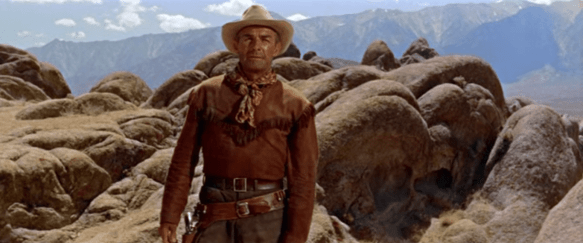
But you also need an inscrutable hero. Here a veteran bounty hunter has a man to bring in. The hero’s name is Ben Brigade (Randolph Scott) and his quarry, Billy John (James Best), sits waiting for him. Brigade comes up to him nice and easy-like to take him into custody.
It’s right then Billy John grins and lets him know his cronies are spread out in the rocks up above. He’s trapped. If he turns his back and walks away, there’s nothing more to it or else he commits himself to what he started along with probable death. Right here in a moment of immeasurable tension, we see Randolph Scott at his capable, laconic best. He’s totally inexorable and nobody’s gonna get him to back down.
As the story progresses Santa Cruz becomes a kind of MacGuffin, as Alfred Hitchcock would call it. It’s where Brigade plans to take Billy John to be strung up. In case there was any doubt, he gets out of this opening scrape alive and with his prisoner still intact. So they mosey their way along the gorgeous craggy tundra of the West toward their destination.
On their journey, they happen on a stagecoach outpost. It’s important for introducing three more of the film’s key players. Two of them are little better than bandits (Pernell Roberts and James Coburn), the third is a woman (Karen Steele) waiting for her husband to return with some much-needed provisions. She’s wary of her uninvited guests and not too pleased to have two more strangers passing through.
With these newest additions, we have the requisite menagerie to give the story a renewed outlook because what are the Ranown westerns but character pieces with higher stakes than what meets the eye? Foes can come in many forms: a gang of outlaws, self-serving amnesty seekers, and who ruled the land before all others but the Native American population — out for blood to avenge the affronts to their cultural hunting grounds.
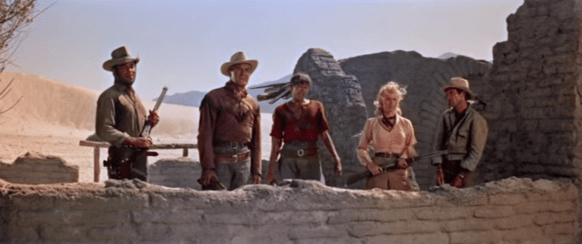
It makes for some of the most engrossing stand-offs and conflicts on multiple planes of contention. People are constantly being caught between other people. What makes it delicious is how it’s not totally vindictive. Some of these people form relationships and still feel compelled to kill one another for their own purposes. At least they stand prepared to and our hero is no different.
Mrs. Lane drifts around with hardly any stake anymore with her husband murdered. She can’t understand why Roberts would want to save Scott’s life in one minute and hours later be meditating on killing him. They need him until the time is right, and then they have to take him down — as simple as that.
It’s loose cannons like him giving this movie a new kind of dramatic depth. Because there are no longer any straightforward roads. Everything feels ambiguous. We gravitate toward Scott as some kind of moral center because his pedigree in films tells us as much. Maybe we can sense the decency in him. Otherwise, his career path and his generally callous nature don’t do him many favors. But it’s a tribute to the picture.
On a side note, it always astounds me how they were able to scrounge up such a stellar group of players for these westerns. Take stock of everyone for a moment. Of course, you have Randolph Scott but then Pernell Roberts, James Coburn, and Lee Van Cleef. That’s pretty remarkable for a low-budget flick.
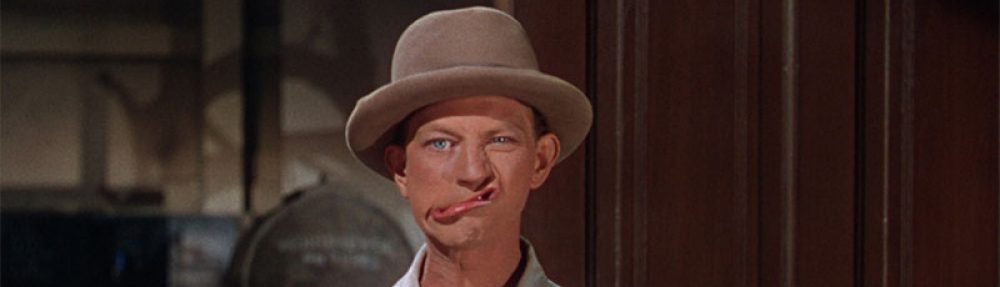
Lee Van Cleef doesn’t have much to do aside from being a threat, and he’s good at this, prepared to search the bounty hunty out and reclaim his brother. Their meeting is inevitable. Roberts is chummy yet opportunistic, subverting his Bonanza infallible eldest brother on horseback in an agreeable way. Coburn plays a dimwitted second fiddle as he hasn’t quite ascended to the aloof heights of Britt in The Magnificent Seven. All in due time. Karen Steele doesn’t normally get much acknowledgment, as her career was mostly relegated to the small screen — you can’t quite call Ride Lonesome the big time — nevertheless, she is a stalwart in her own right and strikingly beautiful.
But we must remember, Brigade and his uneasy alliance still have a prisoner to get to Santa Cruz with Van Cleef’s Frank fast approaching for a showdown. It’s almost like the bounty hunter wants them to catch up…The question: Why? For that matter, if he gets out of one scrape, he still has two more guns to get past. He’s rapidly running out of time.
The script quickly flips the inevitable on its head and instead of feeling like we’re subjected to the usual rhythms of the West or left hanging, so to speak, there is this sense of satiation. All loose ends are tied off, and the resultant humor comes with a sigh of relief. If there’s this touch of lightness, then the resolution is equally about making peace with the past as so evocatively captured in the final shots — an image that so easily becomes emblazoned in one’s mind. Brigade sets his specters ablaze ready to step out of the ashes a new man.
Ride Lonesome does its job well, and it’s such a delectable, economical delight. If it’s not the best of the Ranown cycle, it’s darn near the top and remains a classic reminder of why the Ranown westerns have maintained a pull on many of the genre’s aficionados. It’s a marvel that so much can be accomplished and so much emotion can be mined in a movie that clocks in nicely at under 75 minutes.
4/5 Stars


 “That’s the thing about secrets. We all know stuff about each other; we just don’t know the same stuff.”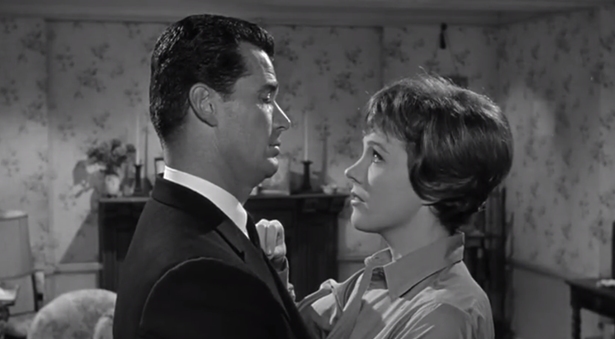
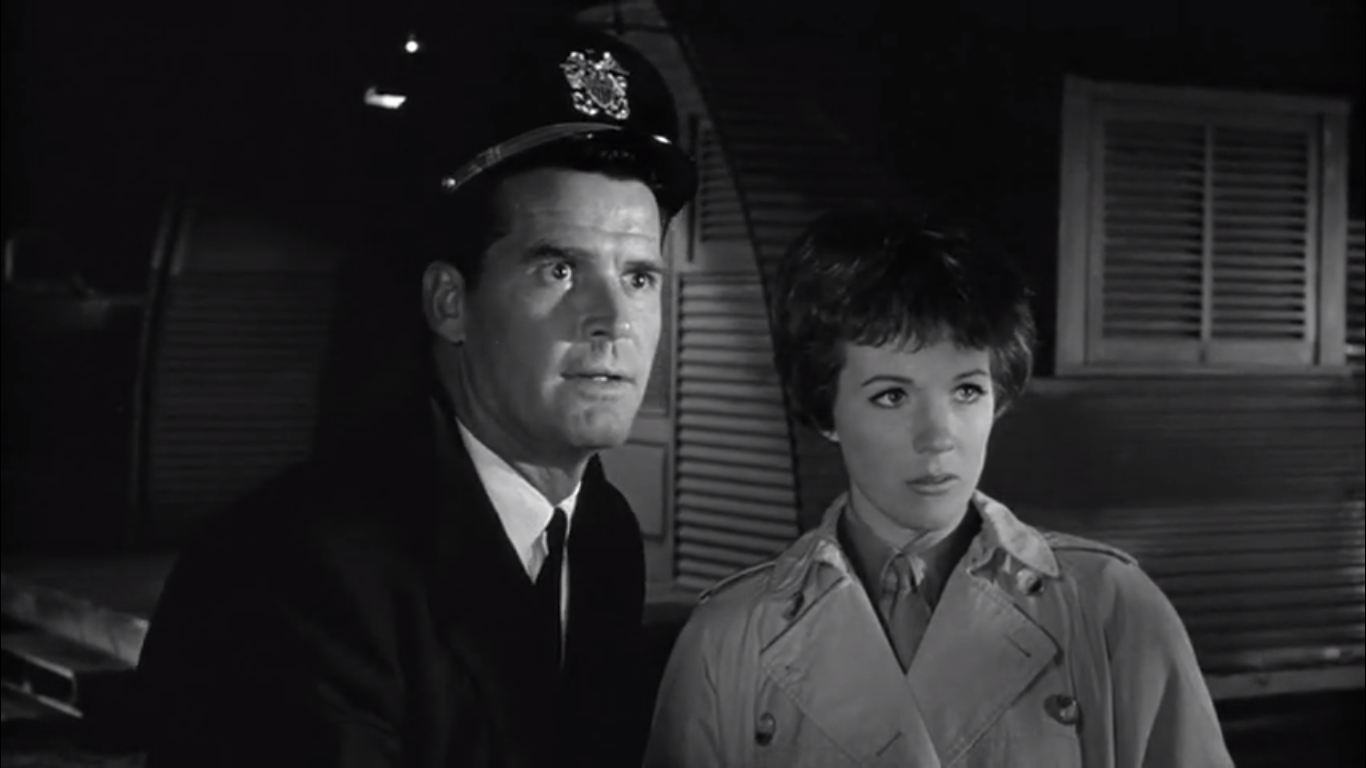
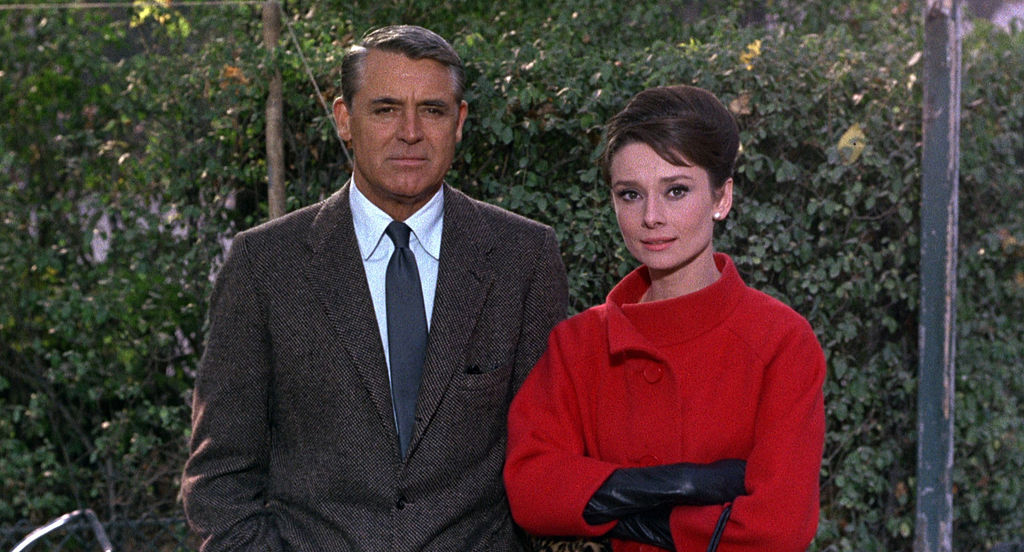
 It’s hardly Charles Dickens, but still, Hard Times is a real tooth and claw street brawler. We have Charles Bronson as our token taciturn drifter, tough and down on his luck during the Depression. James Coburn is Speed, a fast-talking promoter looking for a quick buck. Walter Hill’s film may not be pretty to look at, but boy is it a lot of fun! Everyone’s favorite supporting scene stealer Strother Martin makes an appearance as a sometime doctor who dropped out of med school. These three men are at the center of an evolving partnership that comes into being on the streets of New Orleans, that hopping town of jazz, juke joints, and bare-knuckle boxing. The latter is the most important for the men aforementioned because, with Speed as his manager and Poe as his ringside doc, Chaney looks to rule the ocean front with his grit and tenacity.
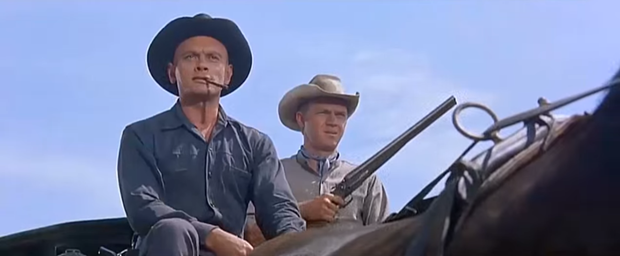 “Nobody throws me my own guns and says ride on. Nobody” ~ James Coburn as Britt
 Into the valley road the seven rather like the light brigade, at first simply preparing to train up and prepare their little village of farmers to fight back against the brutal outlaw Calvera (Eli Wallach). But there’s something that happens over time. When you spend time in close proximity with people, eating their food and sharing their shelter, it’s hard not to build a bond — a connection that holds you there. At first, it seems of little consequence when the enemy gets beaten back, but everyone knows they will return with a vengeance.
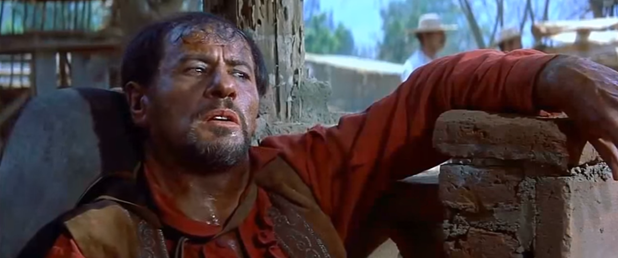 And we get the final skirmish with guns blazing, bullets flying, and lives being put on the line. Here is a film where the final body count deeply matters. Not so much of the enemy, but of our heroes, because each one chisels out a little niche for themselves. Everyone has worth and importance even as they jockey for screen time and it pays off in the end. They fight with honor just as they die with honor. Perhaps it might seem futile, but not without significance. The little village is left in peace to live out their days in tranquility. Calvera’s final words echo in their ears: “You came back – for a place like this. Why? A man like you. Why?”
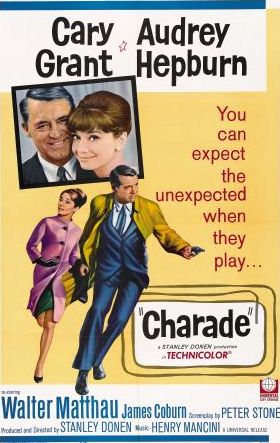
 4 Star Films