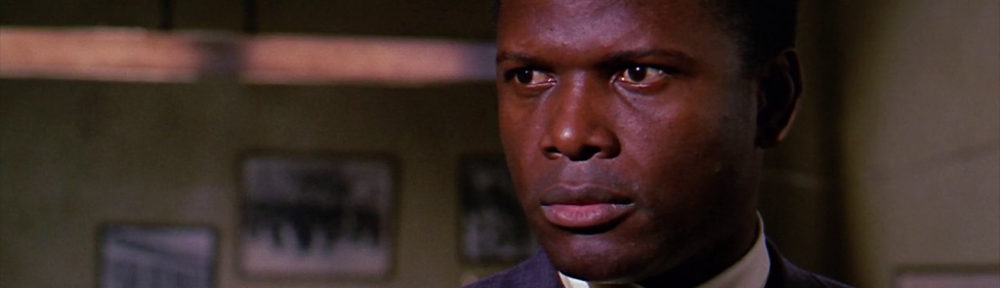
 We are met with a deluge of drums, explosions, and the unmistakable voice of Bono murmuring over the credits. The year is 1974 in Guilford England, the Irish Republic Army is as belligerent as ever, and right from the beginning director Jim Sheridan’s In the Name of the Father grabs hold of our attention.
But we actually become introduced to our story by backtracking. We meet our main hero and championing Gerry Conlon as a punk kid stuck in the thick of the IRA’s madness. His father, fearing for his son’s well-being after a close call, sends his boy off on a slow boat to England away from trouble, or so he thinks.
In England, Gerry and his bud Paul call on an old friend from back home and they soon become enamored by the world of free love, drugs, and communal living. Their soundtrack is the tunes of Dylan, the Kinks, and Hendrix. It’s a good gig sans bombs going off down the street.
 But what follows is something out of some perverse nightmare. Upon a return trip back to Belfast Gerry finds his home raided and he ends up in the interrogation block being grilled by a group of less than sympathetic police attacking him with a barrage of insults and threats. This doesn’t just seem like an Irish-English problem. There’s so much hatred present and Conlon and three of his buddies get roped into signing confessions under duress.
It’s at this juncture that the film develops into a full-blown courtroom drama, but the nightmare is hardly over. Not only Gerry but his friends as well as his father, are all sent off to prison. Pleading innocence does no good. Being innocent is no good.
By the time he’s in prison, Gerry is all but fed up with the world. He’s hardened because as he sees it nothing in life is fair and so he will grin and bear it. He looks almost derisively at his father, a man still living as he always has, completely opposed to any rebellious or militant action. They have their share of familial conflict, but as Mr. Conlon becomes ill things begin to change, specifically in Gerry.
He resolves to take up the cause once again if only for the sake of his father, and an audacious solicitor thinks she might just be the one to do it for him. So he ends up in court once more for another round, but this time, proceedings are invariably different. Still, utterly chaotic but a lot has changed for the better in 15 years.
Regrettably, this is a rather disjointed narrative that feels more like shoddy storytelling than a complex plotting device. The most glaring example involves Emma Thompson who is shown multiple times in the first half of the film but does not actually become deeply involved in the storyline until well after an hour in. After a promising beginning, the film does seem to succumb to a bit of melodrama as well that gets remedied by a happy ending.
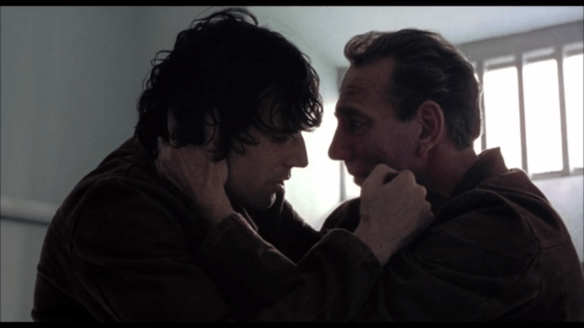 However, as he has the habit of doing Daniel Day-Lewis falls so seamlessly into his role as the Irish lad from Belfast who was wrongly accused. His Irish brogue is second-nature and he jumps between rebelliousness and fear with tremendous skill due to the emotional range demanded by the role.
Just like Conlon’s own struggles, this film is a long hard grind. It’s not always pleasant, not always gripping, but it does have staying power. In the end, the performances of Daniel Day-Lewis and Pete Postlethwaite are worthy of our attention alone. The truth of the matter is that they are a truly dysfunctional father and son combination, but that makes them a gold mine for emotional depth. Their relationship becomes the major point of contention as they grapple with topics of justice and compassion.
4/5 Stars


 There is a scene in the film where a group of friends is sitting around the dinner table in the Notting Hill district of London, and they are having a friendly after dinner competition to decide whose life is the most hopeless. The winner gets the last delectable piece of fudge. One person sitting at the table is seemingly out of place. Actress Anna Scott (Julia Roberts). Her face is plastered on double-decker buses all down the squares. She made $ 15 million on her last film, circa 1999. You would think she’s got it made. But this woman takes her turn and shares about her own brokenness. She’s had surgeries to maintain her beauty. The tabloids rake her life over the coals, and when she gets old, she will only be remembered as the shell of someone who used to be famous.



 Galaxy Quest might be a kitsch homage to all things Star Trek and Star Wars, but that’s the secret to its unequivocal success. It stands on the laurels of its campy fun which it wears as a banner like all the Trekkies and Star Wars fanatics it looks to pay tribute to.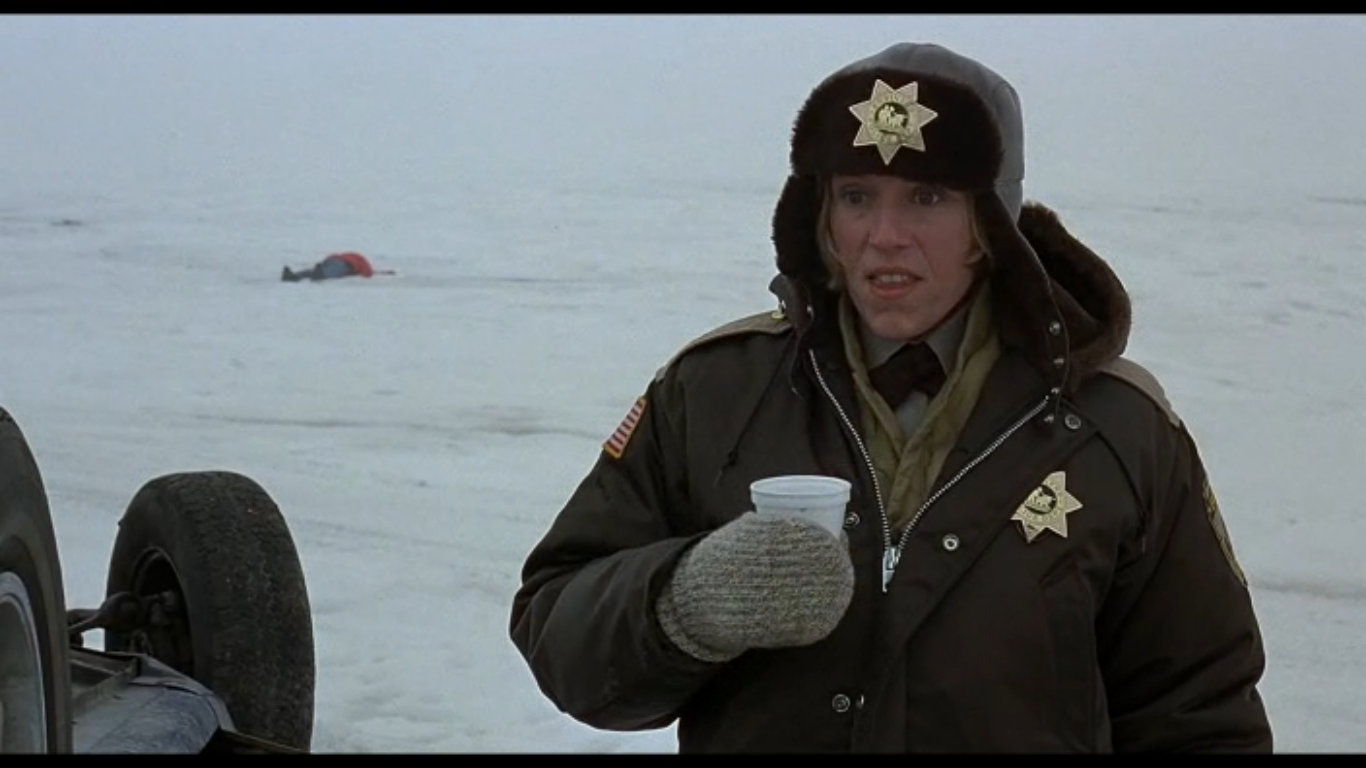
 Robert Mulligan is an unassuming film director. Man in the Moon would be his last film in a career that was not so much illustrious as it was respectable. In truth, I’ve only had the pleasure of seeing one of his other films — his crowning achievement To Kill a Mockingbird.
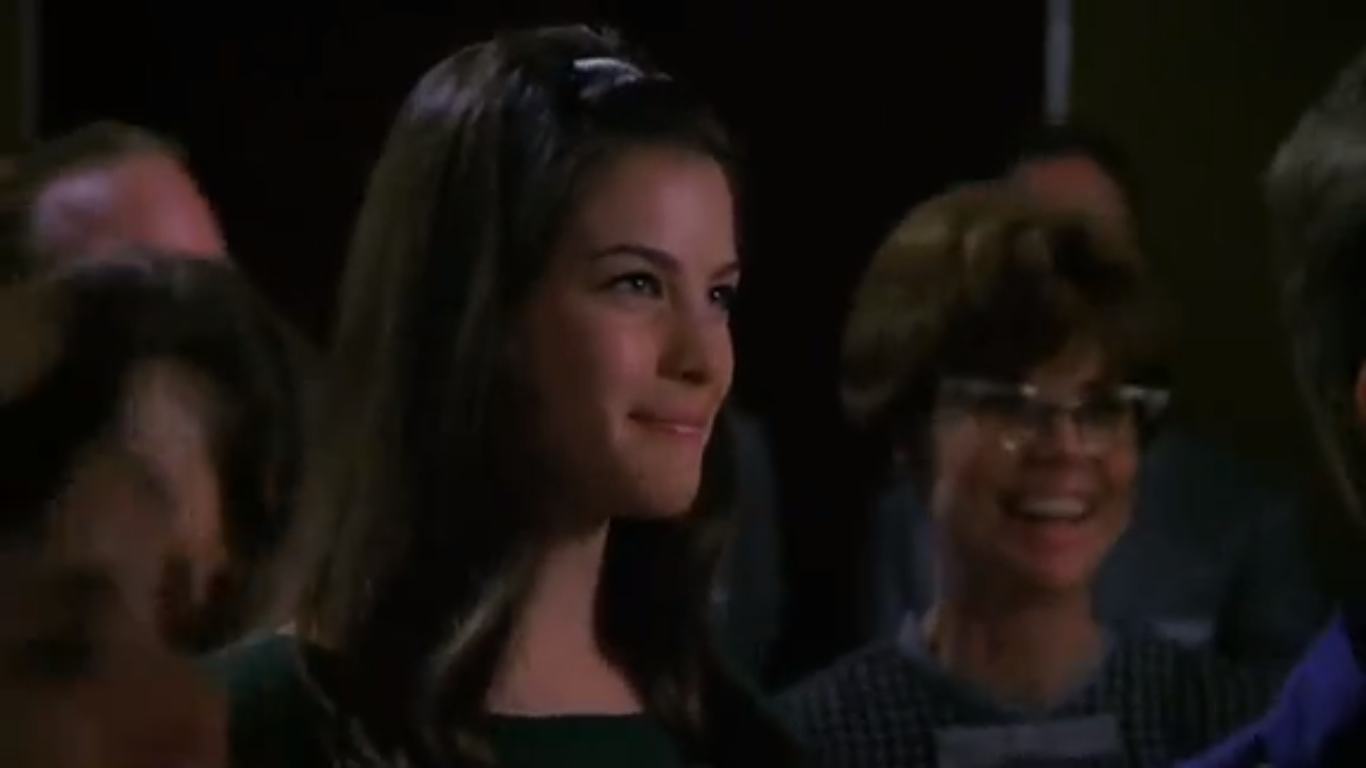
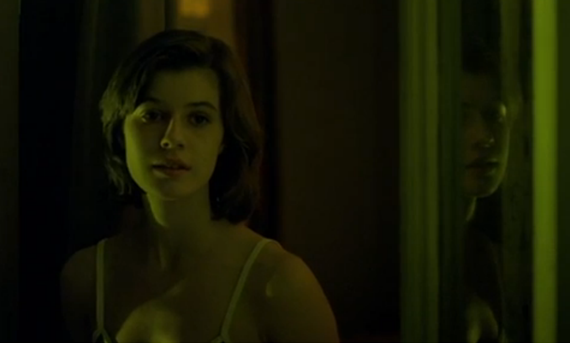
 Arguably, the next most important character in Dani’s story is Court (Jason London). They have your typical terse meet-cute that signifies only one thing. They must fall in love. It turns out he’s the eldest son of an old friend of Mrs. Trant. Soon things change for young Dani because she’s never known someone like Court, much less liked a boy.
 The second half of the film enters melodramatic territory that first hits the Trant’s with familial turmoil, and then Court. Dani for the first time in her life is faced with the full brunt of tribulation. What makes matter worse is her feelings are all mixed up. She loves her sister. She hates her sister. She cannot bear to see Court. She cannot bear the suffering. It’s in these moments that uncomfortable feeling well up in the pit of your stomach.

 4 Star Films