Glengarry Glen Ross (1992)

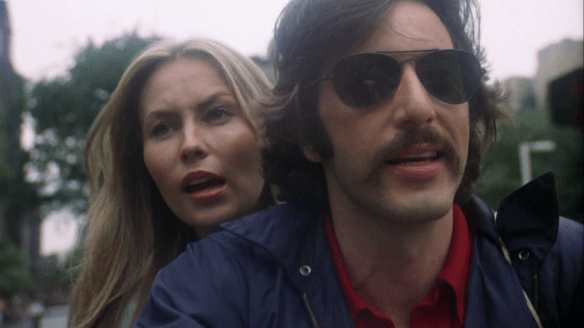
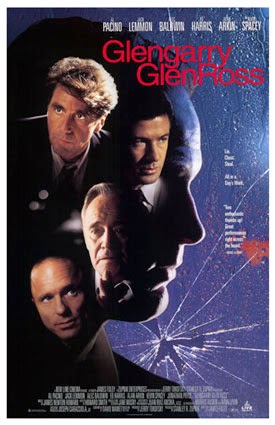
fa822-glengarrymovieIt’s a film about a despicable world which promotes despicable people and despicable behavior. That’s the world of the real estate salesmen in Glengarry Glen Ross. Here are men who use any mode necessary to close deals as they say. They finagle, lie, cheat and even steal because those are just tricks of the trade. Those who get the good leads are able to close more deals and make more bank. Those who get the leftovers struggle to swing something out of nothing. Shelley “The Machine” Levene (Jack Lemmon) is one of those struggling after many years of success in the business or racket, whichever you prefer. He has a lovely personality, rather like a hissing snake trying to seduce you before going in for the kill. On the flip side, he can be a real jerk and he is unscrupulous as all get out.

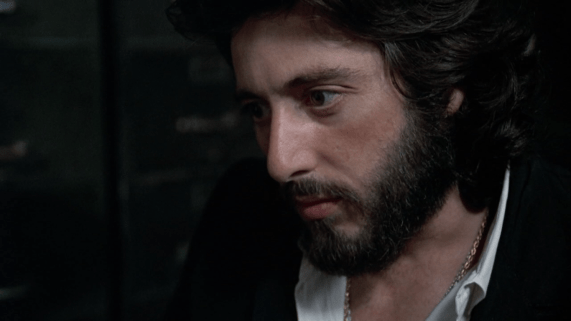
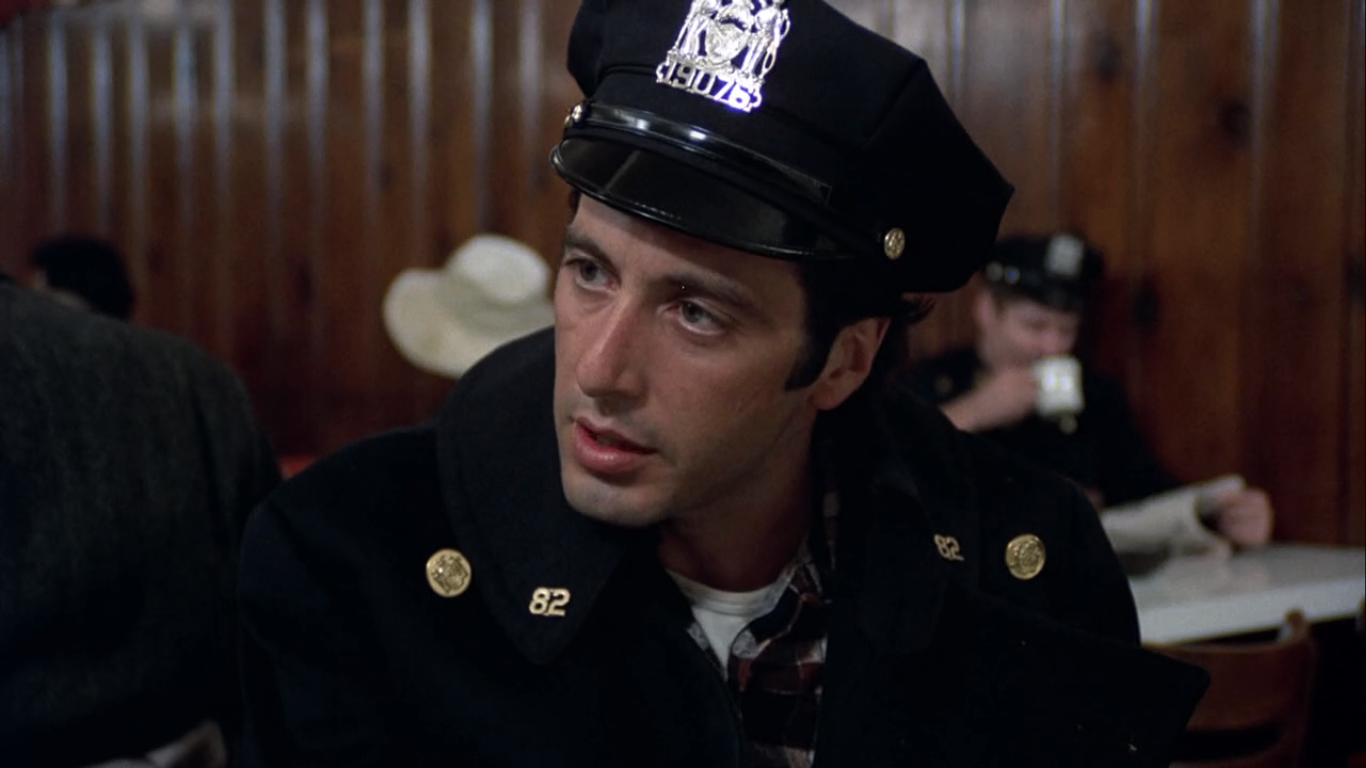
But that’s enough on Shelley. The office is run by rigid John Williamson (Kevin Spacey) who just follows his orders and does not budge an inch. Then there is Ricky Roma (Al Pacino), the top closer who is especially cynical but also a great admirer of Shelley’s skill. Dave Moss (Ed Harris) is a man with a big mouth and fiery temper not ready to sit by while other men outperform him. Finally, there’s George Aaronow (Alan Arkin) a man who humors Moss and is also fed up with his situation.

The wheels start turning when the Big Whigs send in a man named Blake (Alec Baldwin) to motivate the salesmen. It’s the survival of the fittest after all and they know what it takes to sell real estate so he encourages them to go and do likewise. His main tactics include berating, insults, and threats against their careers (They either get a car, a set of knives or the boot). Verbal attacks are sometimes more pernicious than physical beatings and that’s the truth here. They never relent even after Blake leaves because that’s the type of choice words that this environment fosters. One minute a salesman uses a polished voice to coerce a client then turns right around to bad mouth a colleague.

Moss on his part tries to pull Aaronow into his plan to steal the good leads from Williamson’s office. A desperate Levene tries to get better leads from an unrelenting Williamson as the veteran man struggles to convince clients and deal with his ill daughter. Roma, on his part, is at top form playing his client (Jonathan Pryce) and getting him to stay with a deal until it gets messed up. In the process we see all the pettiness, desperateness and corruption unleashed. The burglary goes down and it does not necessarily involve who you would think. Maybe it does. That’s not the point, though. The point is these men will do anything given the position they are in, but it’s not that simple because each one has their complexities. For instance, Levene and Roma are on very good terms and Moss and Aaronow seem very buddy, buddy. But ultimately it seems they look out for number one and that takes its toll on any human being.

The film is a biting drama brought to us through a fiery and sometimes brutal script from David Mamet, based on his play. Furthermore, the story is aided by an all-star cast of big names. Each one plays an equally despicable character. I knew Pacino, Spacey, Harris, and Arkin were up to the task because I had seen them before in tough or villainous roles. However, to his credit Jack Lemmon shows his versatility here since I absolutely despised him for once. That’s no easy task and he proved it to be possible. This film may be a black comedy, but there really should not be much to laugh at.

3.5/5 Stars

Cinema Paradiso (1988)

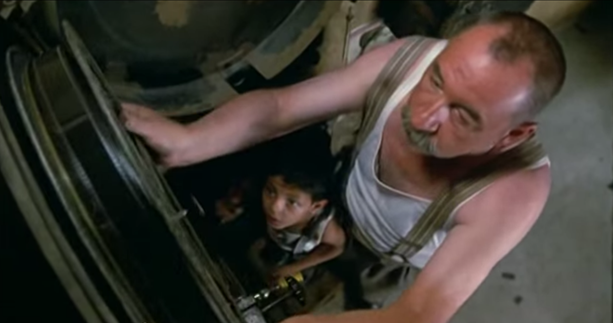
58390-cinemaparadisoTo the casual viewer, Cinema Paradiso can seem like a plodding film, but this pacing is almost necessary since it reflects the passing of the years for one individual. It has been 30 years since Toto left his hometown as a young man never to return. Now he gets a call from the mother he never talks to, with the message that Alfredo has passed away.

The memories become coming back from when he was a young boy in the post-war years. He had a knack for getting into trouble, falling asleep as an altar boy, and getting scolded by his mother. She was especially displeased with his obsession with the movies played at the local theater called Cinema Paradiso. It is there where Toto has his first encounters with the great legends of film, but also perhaps more importantly, the projectionist Alfredo. Initially, the middle-aged man finds the boy a nuisance but slowly a close bond forms between the two. Alfredo teaches little Toto the tricks of the trade and the movie hall flourishes with packed houses all the time. You see, it was the age when movies were a family affair, and the whole town showed up to be entertained. They were the perfect escape from disillusioned post-war years. However, there still is a local priest who censors all kissing in film because after all, that’s highly objectionable. Very racy indeed.

One such night a near fatal accident occurs when the projector overheats then burns the film setting the whole projection room ablaze. Toto barely pulls out Alfredo alive and he is permanently left without sight. From that day on his young prodigy takes over the job but never forgets his mentor and friend. The boy is soon turning into a man and it means young love and a stint in the army, and still Alfredo is around for him. He is always ready to give a bit of homespun wisdom from a movie or do a simple favor. However, finally on the advice of his old friend Toto left town and never returned in order to make something of his life. 

Now he finally returns to pay his respects and the old has passed away. Some familiar faces still inhabit the town but the Cinema Paradiso is about to be demolished and the end of an era has arrived. The days of cinema halls are waning as videos and the like grow bigger. As a gift to his friend Alfredo left Toto (now Salvatore Di Vita) one last reel of film containing a montage of big screen kisses. It is less a lesson in Italian and American classics and more of a lesson in life. Our relationships matter. More on that later. 

 Cinema Paradiso made me crave watching films with a big audience because that is something modern moviegoers often do not experience. Movies were initially meant for the masses (ie. Sullivan’s Travels) and they were meant to be enjoyed in community with one another. That’s part of their magic I suppose. 

This is also a highly sentimental, highly nostalgic look at film, but as I alluded to before, it is less about film and more about the people. I tried to recognize actors and films while I saw bits and pieces of old black and white footage, but then I realized it was arbitrary because the audience members are what really mattered. As Alfredo points out in one of his last chats with Toto, “Life isn’t like in the movies. Life…is much harder.” However, the reward of living life is great despite the risk involved, and so it is necessary to leave the movie theater, television, or your laptop behind at times. Life and the relationships that fill it are the most paramount of all and although nostalgia is wonderful there is something to be said for living in the present. That is some of what Cinema Paradiso teaches us and it is a message to take to heart.

4.5/5 Stars

City of God (2002)

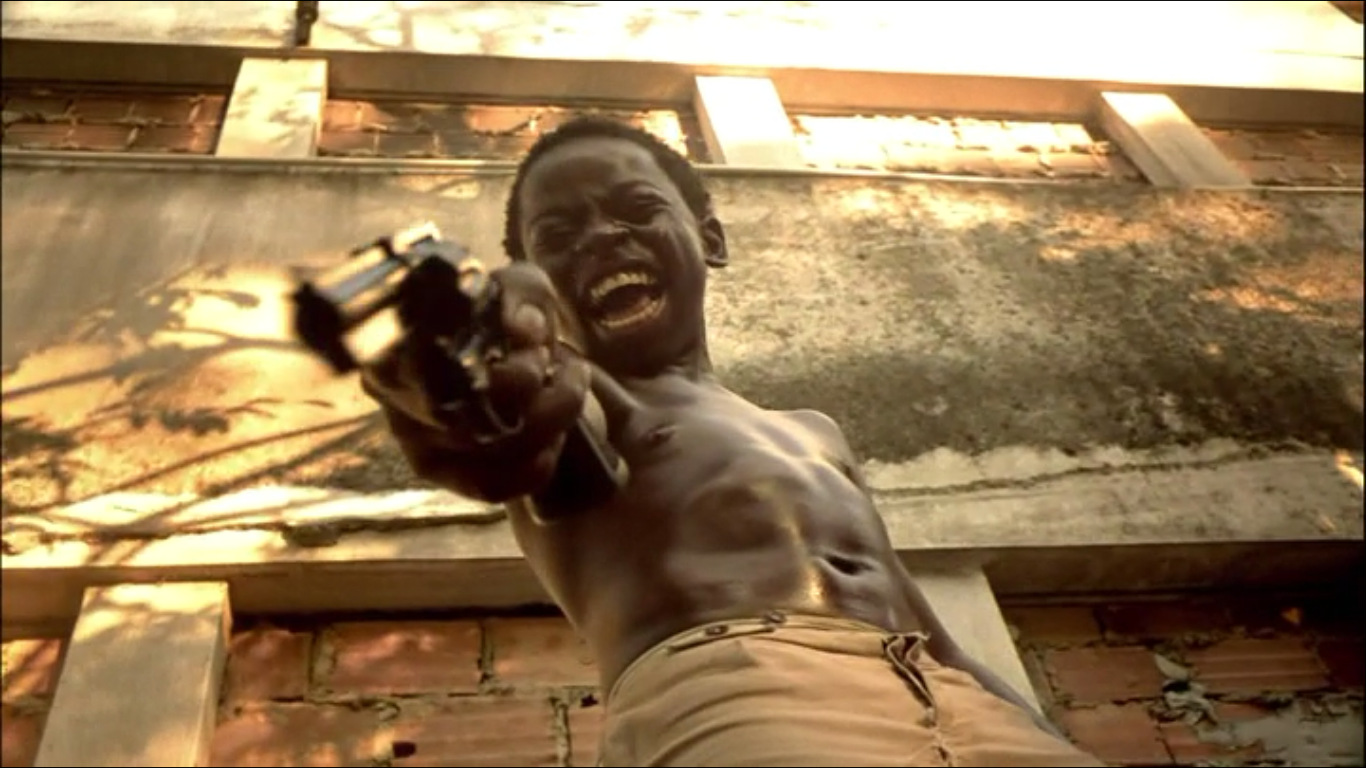
6e6f8-cityofgod1The slash of a sharpened knife grabs our attention and from that point on there is no turning away from City of God. The story is fed to us by Rocket, a character we initially know very little about except he will help us make sense of all that follows. The setting of the story is the slums of Brazil during the 60s and 70s. People are poor, crime is rampant, and adolescents wave guns around like they were toys.

Rocket’s older brother Goose was a part of The Tender Trio along with teenagers Shaggy and Clipper. They have a lucrative revenue stream robbing businesses and gasoline trucks and they share the profits with the people of the town in return for protection. Then a little twerp named Li’l Dice convinces them to rob a hotel and the job pays off big. But soon after begin the police raids and the trio is split up for good. Clipper joins the church, Shaggy is shot by the cops, and Li’l Dice knocks off Rocket’s brother. From that point, the drug trade slowly grew, and ultimately was left in the hands of a young thug named Carrot.

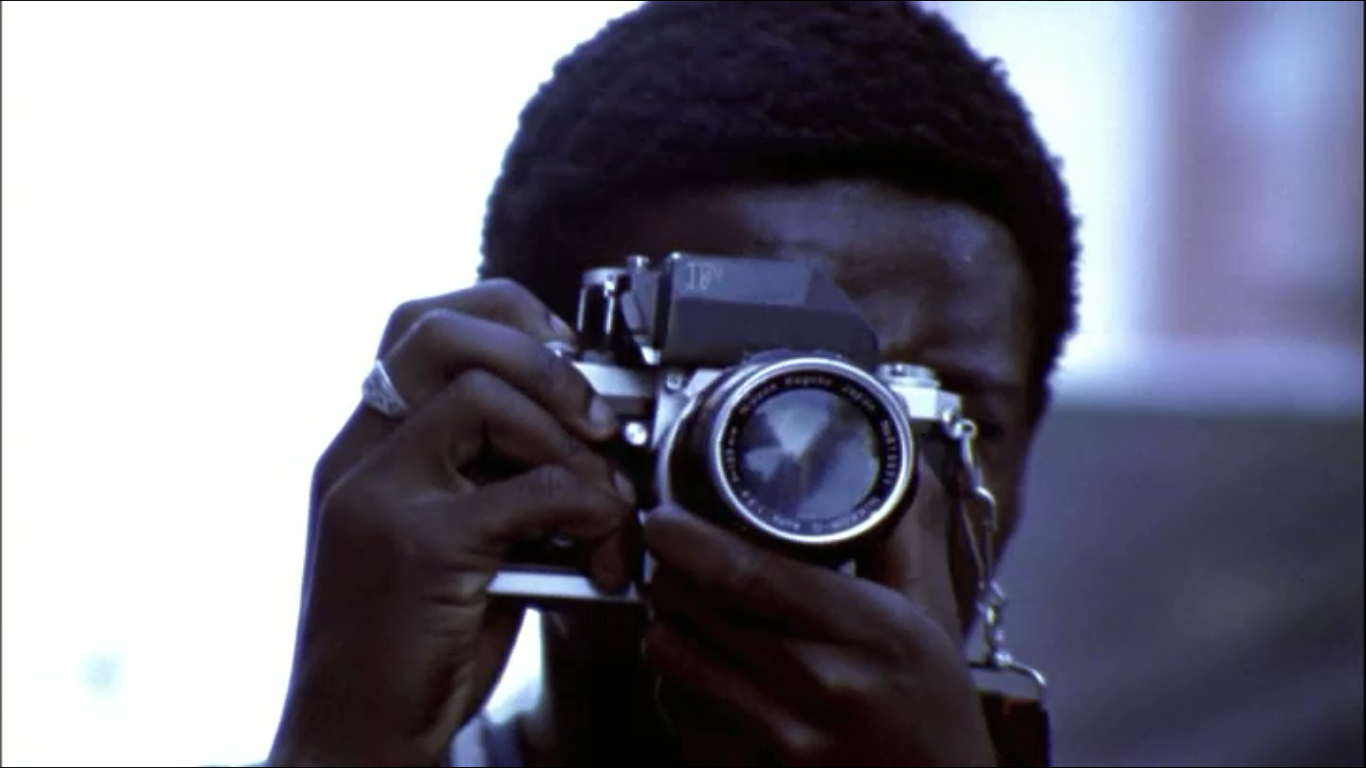
Now it’s the 1970s and Rocket cultivates a love for photography while hanging out with his hippie friends. Meanwhile, Li’l Dice now known as Li’l Z has taken over the drug trade and pushed almost everyone out except Carrot. He is obsessed with being the boss and ironically under his rule, the City of God remains in relative peace. Z’s childhood friend Benny is a relaxed guy who keeps his buddy at bay and earns the admiration of everyone even Rocket.

But the “good times” must come to an end as Benny decides to skip out on the slums with his girlfriend because he does not want the life of a drug lord anymore. At a giant bash tragedy strikes, and Li’l Z is looking for blood. His target is Knockout Ned and the man’s girlfriend. After a night of turmoil, Li’l Z is never at peace again, because there is now a man with a personal vendetta bent on making him pay.

Carrot uses this new ally to his advantage and thus begins the drug war to end all drug wars. Carrot and Ned vs. Li’l Z. Both sides bring anyone and everyone into the fray and load up on guns, guns, ammunition, and more guns. It’s at this time that Rocket’s dreams become realized. He gets a job as a lowly paper boy and ultimately snags some photos of Z and his thugs making it big with the local paper. Soon his photography is in high demand and he’s even on Li’l Z’s good side.

Thus begins the beginning of the end as the rival forces meet in one last skirmish. In the aftermath Ned is shot by a vengeful boy, Li’l Z is jailed then shot, and Carrot is fodder for the papers. The little Runts now plan to run the streets and Rocket becomes famous for his photography. The film holds onto one last secret until the end before it is revealed. As we guessed this film is based on a real story and his name is not Rocket but Wilson Rodrigues.

City of God is an ironic name for such a godless place and likewise, I haven’t felt so squeamish in a film recently and perhaps ever. There is so much violence and crime in this film but we do not seem to get numb to it. It feels like we become more aware of the reality and the vicious cycle that continues its cyclical path. These young thugs are products of their environment and so how they end up is truly saddening. Even such a despicable, sadistic man such as Li’l Z knows what friendship is (ie. Benny), but ultimately even Benny cannot help him. That’s what makes the success of Rocket so extraordinary. In many ways, he is the perfect narrator, first because he survived, but also because he has a view into everything from varying angles and different perspectives.

As far as the film goes, the non-linear story line and multiple points of view made for an engaging story. This piece of storytelling keeps us begging for more crumbs as we attempt to connect the pieces as they are fed to us. Maybe it is a bit of morbid curiosity that keeps us interested or a desire to know if justice is dealt. The quick editing can be disconcerting at times and the often bobbing camera can sometimes get annoying but it fits the style of the whole film. It is part On the Waterfront, part The Godfather, but set in Brazil and a whole lot grittier. City of God reflects the hierarchy of the drug trade that permeates all areas of life and governs an entire community. Rocket was one of the lucky ones.

4.5/5 Stars

Broadcast News (1987)

4392b-broadcast_newsI didn’t laugh at James L. Brook’s Broadcast News like I would your typical comedy (This is no Anchorman). However, I did find myself chuckling, in spite of myself, because these characters are humans and as humans, they are screw ups, petty people, and have errors in judgment. The humor comes in the everyday occurrences of working with a news station. There is constant chaos paired with egos butting heads and somehow the news still  gets reported.

At such a news station there are three seemingly everyday people who form a triangle of sorts. First off there is Tom Grunick (William Hurt), a handsome anchorman who is often sincere but lacking in the smarts and experience of others. Then, you have Aaron Altman (Albert Brooks), an experienced reporter with a gift for writing and a dream to be an anchorman as well. Finally, caught between the two fellows is manic producer Jane Craig (Holly Hunter) who excels in her career.
Aaron is a longtime friend and partner of Jane who secretly loves her. Tom comes into the picture as the inexperienced one, and it looks like he won’t be going anywhere. However, he gets his chance with a special report and thanks to Jane he hits it out of the park. It so exhilarating and all of a sudden he feels a lot closer too. That’s what Broadcast News does to these people. It makes them feel that much closer and it begins to make it difficult to filter their feelings. That’s how Jane finds herself caught between two men who both seem to love her.
It takes a major layoff to shake up the status quo and it reveals a bit more of the pettiness that exists within the industry (reflected some by Jack Nicholson’s evening anchor). Aaron quits his job, Tom gets promoted to a post in London, and Jane gets the position of her old boss who receives the boot. Aaron is jealous of Tom and his goodbye to Jane is a rather sour one. Jane, on the other hand, has some choice words for Tom when she finds out how he manipulated one of his news reports. That’s the way life is. It might be set up like a perfect love triangle initially, but then no one seems to win in the end.

We come back to the three individuals a few years down the road and they have all moved on with their careers and their personal lives. Not everything is patched up and they hardly have much in common anymore, but they can still talk and continue living their lives as before.

This film did not strike me as laugh out loud funny or remarkably spellbinding, but it was a truthful look at life at a news station. That in itself is a compliment to the film even if it is not altogether extraordinary because it seems genuine. I will certainly always be a fan of two of Brook’s other creations for the small screen, The Mary Tyler Moore Show and Taxi. He has a great breadth of work to be proud of.
3.5/5 Stars

Searching for Bobby Fischer (1993)

19491-searchingfor2Josh Waitzkin (Max Pomeranc) seems like your average little boy with a bowl cut and an affinity for Legos and sports. However, soon his parents discover that he has a special gift for chess and his father (Joe Mantegna) especially wishes to cultivate his skills. He finds Josh a teacher named Bruce Pandolfini (Ben Kingsley), a former chess champion himself who looks to discipline the boy’s playing so he can be the next Bobby Fischer. He eggs Josh on with the promise of a grand master certificate once he earns enough points, and so Josh listens to his instruction. His dad enters him in tournaments that Josh wins easily and rapidly moves up the ranks, but as always happens the game is no longer fun and the father gets more intent on his son excelling on the highest stage. The trophies stack up, but Josh is missing a lot of school as well as his friends.

On the urging of Bruce, Josh is no longer allowed to play with the men in the park because they play undisciplined. Stepping back for a moment, there is the realization that this is a seven-year-old boy and yet this really happened, and it happens very often. Parents push their kids so much so because they wish for them to succeed, and they want to give them what they never had.The film deals with this circumstance sensibly with Josh’s mom acting as the voice of reason. His father is not a bad man by any means, and it is during one scene in the rain after Josh loses again that we see that. Josh sits on the curb in silence as his dad talks to him and the boy genuinely asks, “Why are you standing so far away from me?” It’s at this moment that Mr. Waitzkin realizes that he has blown things out of proportion and embraces his boy telling him that everything is okay.

Eventually, Josh goes back to playing with his buddy Vinnie (Laurence Fishburne Jr.) in the park and takes some fishing trips with his dad. Despite the initial cautions of Pandolfini, Josh goes into the biggest tournament against his greatest competition without stressing over chess. He just uses all the knowledge he has accrued and plays a beautiful game. Over the course of the game, he deviates from Fischer, winning on his own terms, the way that he wants. He may have been searching for Bobby Fischer, but ultimately he found himself instead and Josh is better for it.

The film is framed with the voice-over of Josh as he recounts the exploits of Fischer which then is juxtaposed with his own story. When the film came out back in 1993, Josh was still playing in his early teens and Bobby Fischer had come out of solitude to finally beat his old rival Boris Spassky. Both were master chess players, but with two very different stories.

This is certainly a feel good story, but it has wonderfully nuanced characters that make it a step above other such films. Max Pomeranc is wonderfully innocent and unassuming with his big doe eyes and a slight lisp. Kingsley and Fishburne on their part give two worthy performances as his two starkly different mentors with dueling strategies. It is, however, Joe Mantegna and Joan Allen who have the most important roles as Josh parents because their hopes and struggles are universal for all parents. We can empathize with them and the life they want for their son. It’s then the film becomes about far more than chess. It’s about family, friends, and being true to yourself.

4/5 Stars

Review: Blade Runner (1982) – Final Cut

edd47-bladerunner1“Too bad she won’t live but then again who does?”

It’s the year 2019 in Los Angeles but this is a far cry from the world we are used to as you will soon see. Blade Runner is a hybrid neo-noir, dystopian, and sci-fi film. The Tyrell Corporation has successfully created humanoids called replicants that are near perfect copies of humans except at one point some went rogue and special policemen called Blade Runners were called in. Their services are still required to get rid of a few remnants

Unlike your typical Noir, the film is not in black and white but it still is faded, dank, and dreary. It’s a world-weary L.A. that doesn’t see the light of day anymore. The sterile environment is filled with unnaturally bluish light, old technology, and spaceships coupled with neon lights. The 1980s aesthetic actually adds to the atmosphere which fills all the more dilapidated and old by modern standards. It is weirdly sci-fi while also being time worn. On the ground, it has the appearance of a Chinatown where it is perpetually raining. There is a melding of cultures, time, and place. The ultimate melting pot.

This is the strangely foreign earth that four replicants escape to. One of the fugitives soon blows away a Blade Runner and thus, the best man for the job is brought in: Rick Deckard (Harrison Ford). Finding 4 so called “Skin jobs” is like finding needles in the proverbial haystack. But Deckard has the experience.

Initially, he pays a visit to replicant mastermind Dr. Elden Tyrell and does a test on the woman Rachael (who appears to be a replicant but without any knowledge of it). Deckard proves his skill to Tyrell and heads off on his investigation. Meanwhile, two of the replicants Roy Batty and Leon interrogate a replicant eye manufacturer (James Hong) who points them to one J. F. Sebastian. Another replicant Pris pays a visit to the hapless man named Sebastian and he invites her into his home.

Deckard’s search leads him to snake scales and his first target. He gets to Zhora by putting on an act as a dweeby member from the American Federation of Variety Artists (reminiscent of Bogart in The Big Sleep). She has none of his pitiful guise but he soon pops her. One down. But Leon sees what happens and is ready to make Deckard pay for his deeds. Luckily the Blade Runner gets some much-needed help. Two down. Two to go.

The leader of the replicants, Roy Batty goes with Sebastian to the lair of Tyrell. Batty meets his maker literally and they trade some choice words. In a strangely horrifying instance, he gives his father a kiss before proceeding to cave his head in. A modern reincarnation of Frankenstein and his creature. Except Batty cannot take his life yet.

Deckard finds his third replicant and barely notches his third kill. Now it’s only Roy and Rick left to duel it out. What ensues is a game of cat and mouse where a frantic Deckard is playfully stalked by a seemingly deranged Batty. At times both men seem inhuman (I thought you were supposed to be good. Aren’t you the “good” man?), but it is ultimately Batty who remains the unfeeling one. That’s what makes his quiet death all that surprising. Deckard is left looking on bewildered as Batty’s dripping head hangs limp. Four down.

Deckard returns one last time for Rachael. He has fallen for a replicant, but he could care less. Then again, she might not be the only one left. If Gaff’s origami unicorn and Deckard’s dream mean anything at all. The identity of Deckard is one of the many ambiguities that is left for the audience to mull over. That is the beauty of Blade Runner because, with the many different versions, there are various interpretations that can be made. You be the judge of which one is correct. I still say they should have kept the name “Do Androids Dream of Electric Sheep,” but then again what do I know? Blade Runner will continue to befuddle me as well as others and that’s probably a good thing. If all movie mysteries were solved and tied up nicely with a big bow they would all but lose their allure. Not so with this one.

4.5/5 Stars

A Raisin in the Sun (1961)

d69d4-raisin_in_the_sun_1961_poster_horizontal_bStarring Sidney Poitier and adapted from a stage play, the film chronicles the lives of an African American family residing in Chicago. The whole family including the matriarch, her unsatisfied son, his wife, his son, and his sister wait excitedly for an insurance check for $10,000. The mother receives the money and resolves to use it in order to buy a nice home for her family in a white community. She then gives the rest to her son who has big plans for it. However, he loses it all leaving the family bitter and worried. In the end Walter does show his integrity and despite the bad situation, the family remains close. A great deal of this film is about the conflict of ideas and interests of the different individuals. It is also memorable since the cast is almost all African American. Poitier is good but it seems the mother steals the show.
 
4/5 Stars
 

Review: Forrest Gump (1994)

950b6-forrestgump1If you want to start out on the broadest level possible, the film is a lesson in 20th century American History. It charts the turbulent course of mankind including assassinations, counter-culture, Vietnam, Anti-War Rallies, The Cold War, Watergate and much much more. The substantial soundtrack dials back the clock to fully immerse the audience in that time and place.

It is the dream movie for pop culture fanatics and history aficionados. That’s why I enjoy it. However, much like the feather that flutters in the breeze drifting this way and that, Forrest Gump is a character who floats through history as it is made. It begins with his leg braces which give inspiration to the Elvis phenomenon. Ultimately, he plays football for Alabama, sees the school desegregated, and becomes an All-American who meets JFK.

Soon it’s off to Vietnam, followed by a Medal of Honor, and a trip back home thanks to a million dollar wound. Forrest gets a taste of the nation’s capital and soon becomes an accomplished ping pong player, makes it big in the shrimping business, and heads home back to Alabama once more after buying Apple stock. All these moments are absorbing to be sure, but that alone would make the film just okay as a historical drama.

Tom Hanks‘ Forrest Gump is the important piece in the entire equation because of the people that gravitate towards him. Forrest himself only has an IQ of 75, but he is so unlike many of the characters we are used to. Not because he is “simple” so to speak, because he is far from it. Perhaps it’s the fact that he is wholly genuine, loyal, and innocent. That’s almost unheard of these days. He seems to stand at complete odds with the history that is happening all around. Sometimes it looks very different from his eyes or he is completely oblivious to what is happening.

However, in some ways, he seems to have things figured out better than most. He loves those close to him, does what he loves, and never loses his positive spirit. His observations on life might be plain, but they are nonetheless powerful to those around him. To Hank’s credit, he infuses the character with a slow-witted charm and gives him a deep southern drawl. He’s Forrest, Forrest Gump. That’s all he needs to be.

Sally Field has a relatively short screen appearance, which is still extremely important because Forrest’s mother is the one who helps guide his whole outlook on life. She encourages him to make the best of what God has given him and to realize he is no different than other “normal” people. Her love, cultivation, and homespun knowledge is what seemingly allows Forrest to lead a full life, though pithy sayings only go so far, at some point you just have to live.

Jenny (Robin Wright) is another character who is perhaps a greater drifter than Forrest himself. She is constantly trying to find her way through the turbulent times while Forrest’s feet always seem firmly planted on the ground (Rather ironic since he is always running). She is a prodigal and always prone to return to Forrest who always welcomes her back with open arms no matter the circumstances. It might be a stint in a nightclub, living the hippie life, joining the Black Panther Party, or being with other men. Forrest is forever loyal and protective of her. She cannot always handle having him in her life, and she wishes to find her own way. He is always there for her, though, even up to the point of taking care of a son.

Bubba and Lieutenant Dan are Forrest’s best good friends and both men are greatly impacted by Vietnam. Bubba dies and Lt. Dan loses his legs (not to mention his self-respect). Forrest is fiercely loyal to both comrades, starting up Bubba Gumps Shrimping in honor of his late friend and giving work to Lt. Dan when he needs it most. He is a friend for the ages and he takes the title seriously.

Calling Forrest Gump just a historical drama or even sentimental tripe might be partially accurate and yet it cohesively adds up to more than its parts. 20 years have gone by, true, and some of the luster may have gone away, but certainly not all of it.  Though it might be far from perfect, it is a story that is worth any shortcomings, because it has heart and a fantastical telling of American history that is still worth watching.

4.5/5 Stars


Forty Guns (1957)

6fb70-fortyguns1Samuel Fuller has got an eye for style, cinematic scope, and at times, subversive mayhem. It’s no coincidence that Forty Guns was shot in Cinemascope, and it is one of the enjoyments of watching this film, which constantly bounces back and forth between long shots and close-ups. To start things off, Barbara Stanwyck is Jessica Drummond, the “High Ridin’ Woman with a Whip,” and she is the heiress of a self-made frontier empire.

It helps to tote forty guns around with her, but she is not as unethical as she would appear at first glance. On the other side are the Bonnell brothers, former gunslinger Griff (Barry Sullivan), number two man Wes (Gene Barry) and then the baby Chico. After they arrive in town, on behalf of the Attorney General, the nearsighted sheriff (Hank Worden) is gunned down by a drunken troublemaker who just happens to be Drummond’s kid brother. Then his buddies proceed to trash the town all in the name of good fun.

Soon Griff straightens Brockie out and Jessica comes into town to retrieve him. Next, Griff comes with a warrant to Jessica’s ranch and in a memorable scene, literally made for Cinemascope, the warrant gets passed down the table. Jessica wants no trouble but soon a crooked sheriff named Logan (Dean Jagger) want to finish off Griff. It doesn’t go so well and he gets more and more jealous of Jessica’s increasing love for the oldest Bonnell brother.

Ultimately, Brockie ends up in the clink, but he uses his sister as a shield in an attempt to escape. For once Griff loses his cool and sprays him with bullets and that’s not all. For good measure, Fuller has Griff ride solemnly off in his buckboard only to have Jessica scamper after him. The power dynamic see-sawing once again.

Yet again, Fuller never seems to do anything conventionally or demure. His film has a reformed gunfighter who calls his former profession that of a freak. The leading female character dominates most everyone else and has a ballad written about her. There are tornadoes that envelop the screen. Then, only Fuller would have the audacity to kill someone during their wedding ceremony, and he does it without skipping a beat.

Among other things, it is a film about guns, brothers and sisters, and love. Griff packs a gun on him. Jessica always has guns behind her. Griff has a younger brother who has much to learn. Jessica’s brother will never learn. That being said, the inventive visuals, typical brutality, and the memorable casting of Stanwyck were all in a day’s work for Samuel Fuller.

4/5 Stars

A Letter from an Unknown Woman (1948)

8cc43-letter_from_an_unknown_woman_posterThe place is Austria. The time around 1900. This tearful romance is framed by a lovely plot device in the form of a circular narrative. As the title suggests a woman writes a letter to the man who she has always loved. As she relates their story, he slowly pieces it all together.
Lisa was a shy and timid girl. She becomes acquainted with dashing piano prodigy Stefan Brand (Louis Jourdan) from afar as he has moved in next door to her mother’s home. She is a quiet observer of all he does, sharing in each one of his musical triumphs and seeing his friends (mostly women). Lisa even goes so far as to attend dancing school, so that she might learn good manners to impress him someday. Most of all his playing enchants her each and every evening as she silently listens to his gifted hands.
Thursdays were rug beating day and on one such day, she got her chance. She met Stefan’s kindly mute servant and secretly enters the shrine of her love for one blissful moment. However, things quickly change as Lisa’s widowed mother has a beau who wants them to come and live in Linz. So they move away from the oblivious Brand, but the wistful Lisa takes one last visit to her old home.
Soon she is introduced to the stately Liet. Leopold and as time passes he graciously asks for her hand. Taken aback, Lisa balks and mentions another in Vienna who her parents do not know of (and who does not know her). No one understands the reason why, only she does, and she is not one to tell. Lisa, however, moves forward and begins to model dresses for rich clientele. Finally, as a grown woman she has her first true face-to-face encounter with the man whom she worships.

Thus, begins their enchanted time together. He does not quite understand the gravity of the situation, but she is content in just being with him. That is enough. No explanations need to be made. Their evenings are spent eating lobster, walking through the streets, taking a train ride all over the world, and munching on caramel apples. Top it off with a passionate embrace followed by a kiss and the fairy tale ending seems to be imminent. But as we already suspected, it is not that easy, and a train rapidly takes him out of her life.

As time passes, she has a son who is Stefan’s boy, but she resolves not to tell him and raise him by herself. For a while, it is a struggle, but she gets remarried and she seems happy enough with a comfortable lifestyle, a gentlemanly husband, and a cute son. Stefan Brand is now a washed up has-been who used to have a wealth of talent 10 years ago. At the opera, he happens to cross paths with Lisa, a strangely familiar figure, and she realizes that she must go to him. She is absolutely ecstatic to be reunited with her first love, but all too soon it becomes evident he cannot remember her. He is fascinated by her the same way he was 10 years ago, but he has forgotten. Unrequited love hurts too much and a broken marriage is already upon her. As her son before her, Lisa’s life is taken by Typhus and all that is left of her is this letter for Stefan.
 
All that’s left for him to do is hit his head in despair. He let her slip through his fingers, if only he had known. If only his servant had not been mute, because he knew who the girl was. Brand has new resolve, however, and instead of running away he faces an unpleasant fate with honor. 
Joan Fontaine is as sweetly demure as ever, and she fits this role so beautifully with her narration being a wonderful guiding hand to the film’s story. Her character slowly grows and matures in front of us, and yet one thing remains unchanged, her love of Stefan Brand. In some ways, the label of a “woman’s picture” has a negative connotation, but really all it refers to is a film that takes the point of view of a woman, or it focuses specifically on women. These stories crafted by men during the 40s and 50s were meant to be weepy tales for women audiences. Looking back now, however, they can resonant with all audiences and in this case some of that is due to the direction of Max Ophuls. 
Ophuls camera is hardly ever stagnant, following Joan Fontaine as she moves, with gracefully smooth sweeps and tracking shots. Give him a staircase and it becomes almost a playground for him to move about as he sees fit. What we are left with is an elegant look, because the movement does not take away from the elegance but actually accentuates it. No one could accuse the camera of being hurky-jerky, and it makes the impact of the stationary camera that more potent.
At an approximately 86 minute running time, A Letter from an Unknown Woman is a marvel because it is laced with character development, romance, and drama that builds steadily and reaches a teary crescendo.
 
4.5/5 Stars