Heroes For Sale (1933)

heroes for sale.png

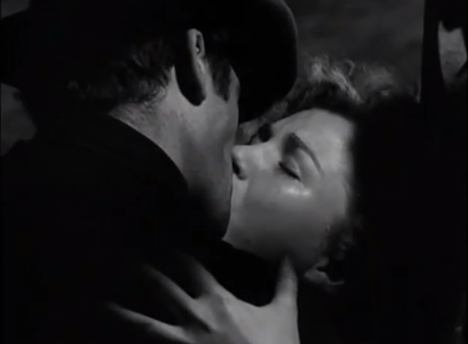
We are inserted, presumably, into a war picture courtesy of William A. Wellman, situated in WWI trenches. The downpour is compounded by the constant hail of bullets as a group of men conduct a near suicide mission. One of the soldiers, Tom Holmes (Richard Barthelmess) proves his heroics on the battlefield while his friend Roger dissolves in fear. But the battle leaves Tom, now a prisoner, with debilitating pain from some splinters of shrapnel lodged near his spine. He’s given morphine to keep it manageable.

He comes back from the war addicted. He gets the shakes at his bank job where he works under his war buddy Roger and the other man’s father. Tom is constantly in need of his fix and it just keeps on getting worse and worse.

Early on, the picture begs the question, how are heroes made? We turn them into near mythological beings and even if it’s well-vested that doesn’t mean that they consider what they did to be anything extraordinary. Imagine if it’s not deserved. Tom and Roger understand exactly what this is like. In the wake of a scandal and his ousting from the bank, Tom gets interned at a drug clinic only to come out a year later a new man ready for a fresh start.

It struck me that in a matter of minutes the film drastically shifts in tone, suggesting at first the dark shadows overtaking a picture like All Quiet on the Western Front (1930) only to come out unscathed and don the coat and tails of an industrial comedy-drama. I must say that while the former feels more akin to Wellman’s usual strengths, I do rather prefer the latter, though the picture doesn’t dare end there.

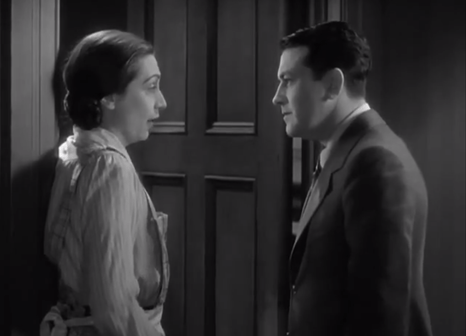
Wellman introduces us to our latest locale with a dash of humor delivered through an array of pithy signs adorning the walls of an old diner. But it’s the people under its roof that make it what it is. Pa Dennis (Charley Grapewin) is the most genial man you ever did meet and he would give you the shirt off his back if you needed it. His daughter Mary (Aline MacMahon) is little different though she chides her father for his loose finances.
heroes for sale 1.png

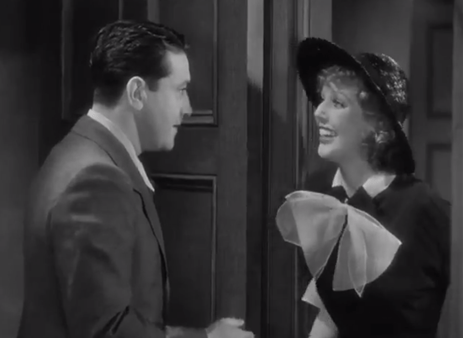
Still, her jovial hospitality charms Tom into striking up a conversation and considering renting a room from them. Meeting the disarmingly attractive Ms. Ruth Loring (Loretta Young) from across the hall all but seals the deal. Cue the music as Young enters stage right and let’s disregard it and just say she more than deserves the fanfare.

You would think the inventor with overt “Red” tendencies, adamant criticisms of capitalism, and a chattering habit like a squirrel would be a turnoff for prospective boarders. Not so.  Soon Tom joins the ranks of the local laundry where Ruth also works forging a happy life for themselves.

The mobility of Heroes for Sale is another thing that struck me. It results from a different era but this is also very much a Depression picture in the sense that we are seeing what a man can still do even if times are tough as long as he has a strong head on his shoulders. Machinery is implemented not to steal work away from eager employees but to cut down on long working hours and increase output. All in all, it sounds like a thoughtful and humane objective.

But a heart attack leaves the company in different hands that are looking to work only in dollars and cents, not in humanity. Thus, it looks like Tom’s idealistic enterprising has been turned on its head, now completely sabotaged. All the folks who put their trust in him are bitter with the prospect of losing their jobs. Put out of business with their own funds.  This same unrest runs through the pages of Steinbeck’s Grapes of Wrath (1940) too as modernity begins to put out all outmoded methods standing in the way of so-called efficiency.

What we have here is a populist picture daring to show the plight of the people. Richard Barthelmess is an affecting lead because he seems almost unextraordinary. His voice is steady and calm. He’s not unkind. But there’s an honesty to him that asserts itself. The fact that he gets a bum steer and takes it without so much as a complaint speaks volumes so he doesn’t have to.

Heroes for Sale feels like a micro-epic if we can coin the term. It’s ambitions somehow manage to be grandiose as it sweeps over cultural moments like WWI and The Depression which underline further social issues including heroism, drug abuse, communism, and worker’s rights. All done up in a measly 71 minutes. Look no further than the standoff between an angry mob and the riot squad for squalid drama. This is no minor spectacle. Nothing can quite express the anguish watching Young frantically run through the violent frenzy in search of her husband.

There is no excuse if this is the standard we put longer films up against. Not a moment seems wasted. Yes, it goes in different directions. Yes, it feels like a couple different films and yet what connects it all is this abiding sense of Americana. Themes that resonate with folks who know this country and its rich history made up of victories and dark blots as well. Most brazenly it still manages to come out of the muck and the mire with a sliver of optimism left over. Heroes For Sale is no small feat.

4/5 Stars

Night Nurse (1931)

night nurse 1.png

We’re introduced to the day-to-day in a hospital ward with mothers giving birth, delinquents under police custody, and bootleggers coming in on the lamb with mysterious ailments. Barbara Stanwyck arrives in the office inquiring about a position as a nurse and she is flatly rejected for her references and lack of a full high school education.

Reluctantly she exits only to make a connection in the revolving door with a white-haired genial doctor (Charles Winninger) who pulls some strings and lands her a spot as a trainee. Her roommate and guide to this new existence is the lively Maloney (Joan Blondell). The male interns send her a warm welcome too. Namely a skeleton in her bed which gets her in particular trouble during a late night bed check from the head nurse who rules the nurses quarters with an iron fist.

This is all only a setup of the films main concerns which have roots in sordid drama and soap opera-like thrills. The melodrama comes into full view as we are introduced to none other than a mustache-less macho Clark Gable who upon being asked who he is, replies “Nick the Chauffeur” only to be captured in closeup while eliciting a gasp from a night nurse.

It’s textbook stuff and then he proceeds to wallop her as she tries to use the telephone. But a smidgen of context is in order. Lora starts her first shift as a night nurse looking after two darling little girls. But from what she can tell they are systematically being starved and their perpetually tipsy mother, Mrs. Ritchie, seems to have very little input. Meanwhile, the doctor who took over the case when Dr. Bell was deposed is shady at best. All the while, Nick leers and strong arms his way around, making sure that Lora doesn’t do anything against the doctor’s orders. Conveniently that means no nourishment.

But “Little Miss Iodine” doesn’t go down without a fight. With the girls slowly wasting away upstairs and needless extravagant parties being held continually downstairs with booze freely flowing, Lora lays down the law. She smacks the girls’ mother around a little for her parental negligence. Also, it turns out that Lora’s new boyfriend comes in handy when he’s not bootlegging. They make a swell couple.

On the whole, this picture of emaciation is slightly disjointed and hyperbolic in its own right. There’s also probably too liberal an amount of undressing on camera. Because it’s only purpose is to be provocative.

I’m not quite sure if I ever figured out the mechanics of it all but there is an undeniable fury to it and William Wellman directs it as such through every beat from comedy to romance to mystery thriller. So with stalwart performances by Stanwyck and a no-good Clark Gable on the rise, matched by a certain enigmatic potency, there is enough meat here to make it a mildly diverting Pre-Code effort.

3/5 Stars

Yellow Sky (1948)

yellowsky2From William A. Wellman comes an unheralded western with an intriguing cast dynamic. Gregory Peck is the undisputed star as the boss of a group of outlaws who ride into town, pull a quick bank job, and are forced to flee from the Cavalry across the desert wasteland. It’s the prerogative of “Stretch” (Peck) to continue across the desolate terrain, despite the obvious drawbacks. But everyone else reluctantly follows although a few are opposed including his biggest rival Dude (Richard Widmark).

The story could end there with the band of fugitives dying of thirst in no man’s land and it nearly does happen, but like a mirage, they come upon a ghost town. It’s like a sick joke because it seems that all the people have picked up and left. All that is except an old prospector and his plucky Granddaughter (Anne Baxter). She is wary of these marauders, and she is extremely protective of her old grandpa. The men get a bit lustful since they have not seen a woman for some time and she catches the eye.

Again, the path of this story seems like it will be stagnant once more and yet that’s before we knew that the two relations are sitting on top of a gold mine. That catches the attention of the outlaws and the avarice grows in the hearts of the men. Not to mention their lustful desires.

yellowsky4That’s what makes “Stretch” such an interesting villain as portrayed by Gregory Peck. Certainly, he does wrong in the eyes of the law, but he has his morals in a sense. He vows to the old man that they will keep their agreement to split the gold. It’s the honorable thing to do and he is smitten with the attractive Mike. But Dude is not so excited about this act of charity and so he gets the boys to turn on “Stretch.” They try and pin him down and thus unfolds the necessary gunfight. The power struggle reaches its apex in the shrouded saloon where “Stretch”, “Dude”, and “Lengthy” face off for one final showdown. Shots are fired and a desperate Mike goes charging in to witness the outcome.

The bad boys get their comeuppance and the stooges including Walrus and Half-Pint (Harry Morgan) are okay. Most importantly “Stretch” is now a straight arrow for the girl he loves by pulling the world’s first reverse bank robbery.

Yellow Sky was a thoroughly enjoyable story because it felt surprisingly dynamic and even graphic for a 1940s western. Highlights include Anne Baxter slugging Gregory Peck and dishing out the ultimate insult that he smells bad.  Peck is such a commanding presence, and it’s fun to see him in a darker role. Baxter was also deadly in a very different way than her backstabbing Eve Harrington. Richard Widmark and John Russell were worthy adversaries while Charles Kemper was the token fat guy. And I still cannot get over how young and dare I say, scrawny Henry Morgan looks.

I must confess that I have never read The Tempest, but this story is supposedly based on that Shakespearean tale. Well, now I know.

4/5 Stars


The Ox-Bow Incident (1943)

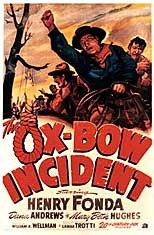
Starring Henry Fonda, Dana Andrews, Harry Morgan, Anthony Quinn, and many more, the film begins with two drifters (Fonda and Morgan) who enter a small western town. Soon it gets around that a man is dead and some of his cattle were also stolen. Hurriedly, a posse is put together and they ride off to find the culprits even though the Sheriff is looking already. They come upon three men and the majority of the posse believes the men are the perpetrators even though the trio profess their innocence. The posse votes on the spot whether to hang them or give them a trial and then they act. Only afterward do they discover the whole truth. Although the plot is simple, this western brings up some interesting and difficult questions. It certainly seems to blur the lines between the good and bad guys.

4/5 Stars

The Public Enemy (1931)

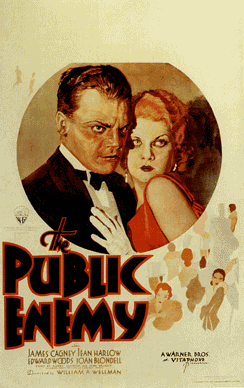
Starring James Cagney, the story follows Tom Powers as he and his friend Matt grow up in Chicago and eventually get involved with the gangsters of the Prohibition era. Tom’s life of crime gives him money and female company. However, it causes a division with his older brother. He sticks with his life and continues acting as  an enforcer for other gangsters. Every barrel of beer he delivers has blood behind it. As always fate catches up with Matt and eventually Tom. His life reveal the problems with Public Enemies. This is Cagney’s breakthrough performance and it makes sense because he literally steals the show. With every slug, slap, grapefruit, and devilish grin he captures the screen.

4.5/5 Stars